What is Wire Transfer Fraud?
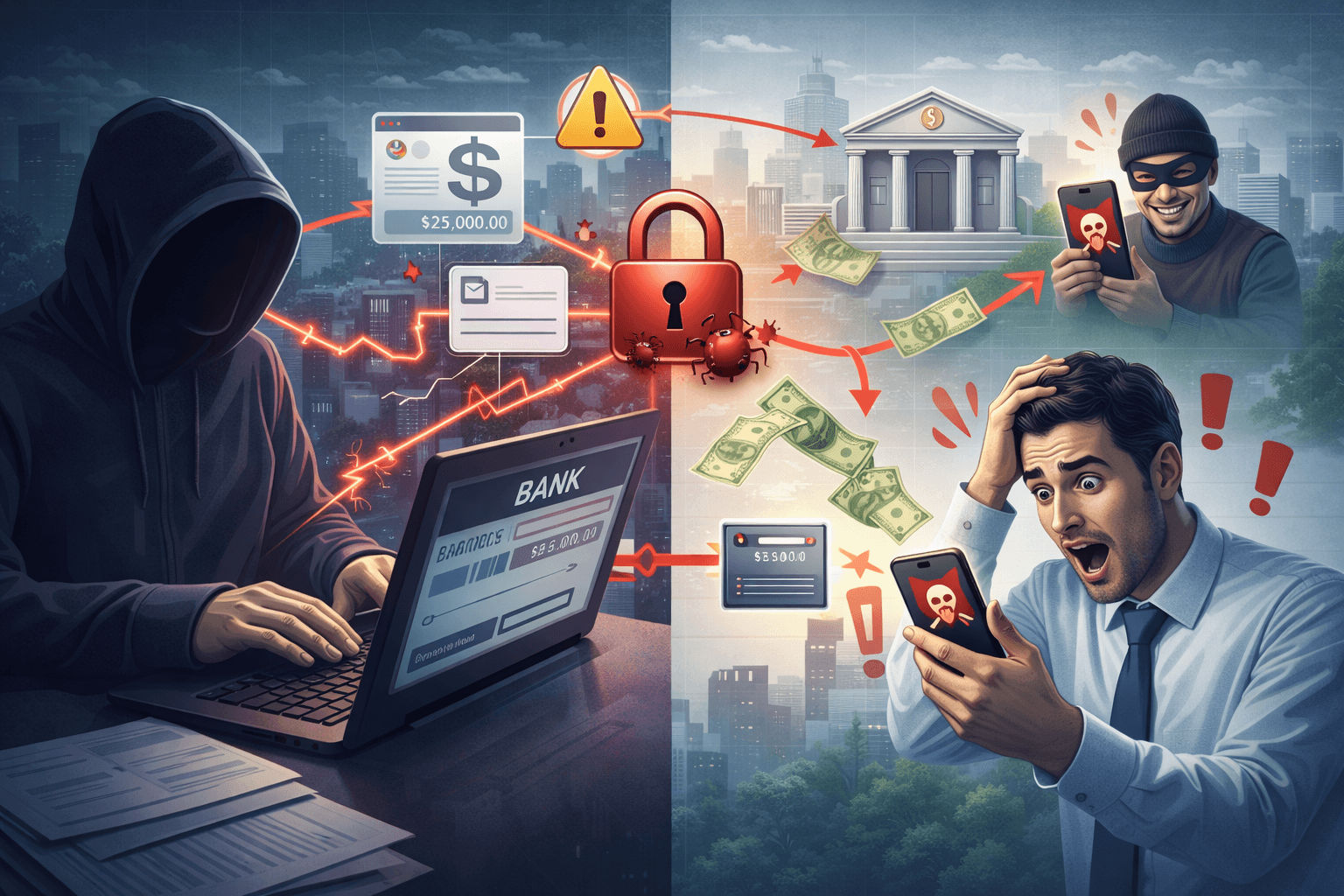
Online money moves fast now. Global networks. Instant settlement. But that speed cuts both ways; fraudsters exploit it just as easily as legitimate businesses use it. Wire transfer fraud costs businesses and consumers billions annually. Once the money goes out? It’s gone. Reversal almost never happens. That’s why understanding this threat matters.
Both consumers, small organizations, multinational firms, and financial groups can be victims of wire transfer fraud. Since fraudsters get more advanced, all of us should learn how to spot the signs, be prepared to identify crimes right away, and use effective methods to prevent fraud. This essay looks at wire transfer fraud and the steps to stopping it, giving useful information to help people and businesses take action.
What is Wire Transfer Fraud?
Wire fraud happens when someone moves funds illegally using electronic channels. Email, messages, spoofed websites, whatever gets the job done. They impersonate someone you trust. They hack into accounts. They exploit weak spots in payment systems. Done.
Federal Bureau of Investigation data shows staggering losses. Billions per year. And it’s climbing. Because wire transfers are designed to be irreversible, that’s the whole point of the system, victims rarely recover anything once the funds clear, making prevention the only real option available.
But the bigger question is why does this keep working?
The answer is simple. People trust email. They trust names on invoices. They trust urgency.
Types of Wire Transfer Fraud
Depending on who the victim is and how the fraud is carried out, wire transfer fraud looks different. The most common types include:
1. Business Email Compromise (BEC)
Business Email Compromise (BEC) is the heaviest hitter. Attackers break into a company email account. Or spoof one perfectly. Then they impersonate the CEO, a vendor, a trusted partner — whoever gets the wire approved fastest. Walgreens fell for it. Toyota fell for it. Even major financial institutions. Losses? Often six figures per incident. Sometimes seven.
2. Phishing and Social Engineering
Phishing and social engineering cast a wider net. Fake emails claiming to be from your bank. Click here to “verify” your account. Give up your login credentials. Game over. Fraudsters now own your account and can initiate transfers instantly.
3. Account Takeover Fraud
This skips the impersonation entirely. Someone cracks your password. Buys it off the dark web. Guesses it. Doesn’t matter how, they’re in. From there? Log in. Initiate a wire. Money gone before you check your inbox the next morning. Mule account. Different country. Not recoverable.
4. Fake Invoice Scams
Fake invoice scams look professional. They come from vendors you actually work with, or close enough that you don’t look twice. New bank details. Urgent wire needed. Process it. Later you realize it was fraudulent because the money hits an account that doesn’t exist in your normal vendor list. Not catching this costs thousands or millions depending on transaction size.
5. Romance or Investment Scams
These are slower burns. Fraudsters build relationships over weeks or months. Gain trust. Then ask for a wire transfer “to settle a business deal” or “pay for immigration fees” or whatever excuse fits. Regular people lose entire savings this way.
How Does Wire Transfer Fraud Work?
Wire transfer fraud is often carried out in a planned way by tricking, pretending, and controlling people.
Reconnaissance: Attackers study their target systematically, pulling information from LinkedIn profiles, company websites, news releases, and organization charts to understand exactly how money flows through the company. Who approves transfers? What’s the approval threshold? Every piece helps the next stage of attack.
Then the hook. A phishing email arrives. Looks authentic. Perfect formatting. Correct executive names. References to recent deals you actually worked on (stolen from earlier reconnaissance). Opens the attachment? Downloads malware. Clicks the link? Lands on a fake login page. Credentials captured.
Now manipulation. The fraudster has access and knows the target. They either use stolen credentials directly or send a follow-up email seemingly from inside the company. Urgency is critical here — “CEO approval needed immediately,” “wire this before end of business,” “legal matter, confidential.” Pressure breaks process.
Finally, movement. Money hits a mule account — usually in the US first to look domestic, then gets moved again within hours to international accounts. Wired here. Then there. Then somewhere else. Chain of transfers designed to obscure the trail completely, making recovery nearly impossible once it crosses borders and enters jurisdictions that cooperate poorly with recovery efforts.
How to Detect and Prevent Wire Transfer Fraud
Stopping fraud needs businesses to be proactive and use technology, supply training, and have a set of processes in place. Here are key strategies for detection and prevention:
1. Verify unusual requests outside email. A vendor emails asking for a wire? Call them. Different number than usual? Call the main company line and ask for that vendor directly. Verification takes five minutes. Fraud takes millions.
2. Use multi-factor authentication everywhere. One password? Not enough. Never was. Add a second factor — phone code, security key, biometric scan. Attacker steals your password through phishing? Doesn’t matter. Can’t get in without the second factor. MFA is cheap. Effective. Deploy it on every system that touches money.
3. Train people relentlessly. First line of defense? Your employees. Not your firewall. Not your software. People. Run phishing simulations monthly. Teach them what spoofed emails look like. Show real examples from companies that got hit. Someone who can spot a fake sender address at a glance is worth more than any fraud detection algorithm.
4. Implement secure payment protocols. Modern platforms encrypt everything. Behavioral analysis flags anomalies. Multiple verification steps before any wire clears. Never initiate a transfer based on email instructions alone. Ever. Use systems with built-in approval workflows instead — the kind where one person prepares and another signs off before money moves anywhere.
5. Monitor transactions constantly. Real-time alerts matter. Large wire to a new recipient? Flag it. Transfer to a high-risk country at 2am? Flag it. Amount that’s triple the historical average? Flag it. AI-powered fraud detection systems catch patterns human auditors miss — and they catch them before the wire clears, not after.
6. Segregate duties strictly. One person prepares. Another approves. A third confirms. Nobody handles the whole chain alone. Why? Because if one person can both initiate and authorize a wire, one compromised account empties the vault. Split the access. Always.
How Can Businesses Protect Themselves from Wire Transfer Fraud?
For companies, facing financial and reputational risks due to fund transfer fraud is very serious. To stay safe, businesses should follow the next best practices:
A. Create Clear Wire Transfer Policies
Who can initiate? Who can approve? What’s the authorization limit? What documentation do we require? Write it down. Train everyone. Make it standard.
B. Conduct Vendor Verification
Know your vendors. Get approval before accepting new payment instructions from anyone. When a vendor changes banking details? Verify independently before making the change. This single step stops millions in losses.
C. Fraud detection technology watches what humans miss
Machine learning spots anomalies fast. $500k wire to a new account in Romania at 3am? Flagged before it clears. Human auditor would’ve taken weeks to catch that. The machine catches it in milliseconds.
D. Incident response plans minimize damage
If fraud happens, what’s the protocol? Freeze the account immediately. Contact your bank’s fraud line. Notify relevant authorities. Recovery becomes possible if you act within hours. Waiting days? Money is gone.
E. Cybersecurity infrastructure is non-negotiable.
Firewalls. Email security gateways. Endpoint detection. Penetration testing, quarterly, not annually. All of it costs money. Know what costs more? A breach. Cheap security invites exactly the kind of attack you’re trying to prevent.
Warning Signs of Wire Transfer Fraud
- Unusual urgency from trusted contacts. CEOs don’t typically email wire requests at 10pm. Vendors don’t suddenly demand payment different ways.
- Requests to keep things quiet. “Don’t tell accounting about this.” Red flag.
- Typos in official emails. CEO emails have zero typos. domain.co instead of domain.com? Spoofed email.
- Sudden changes to payment instructions. Vendor you’ve paid for two years suddenly gives different bank details? Call them first. Always.
- Transfers to unfamiliar jurisdictions. Money wired to places your business never dealt with is suspicious. High-risk jurisdictions especially so.
- Pressure and secrecy combined. These two together are the classic fraud signature.
Conclusion
Wire fraud works because it exploits trust. Employees trust executives. Companies trust vendors. Systems trust the person with credentials. Fraudsters exploit every single one of those trust points.
But awareness changes the equation. Train people. Verify requests. Segregate authority. Monitor transactions. Use modern security. Most wire fraud becomes preventable when you layer these defenses.
One breach of protocol? That’s how you lose millions.
A mix of technology, company policies, and awareness is necessary to stop bank wire transfer fraud. Security checks like using secure authentication, teaching employees, and checking payment requests can greatly help. In a world where financial transactions happen in seconds, the best defense is a culture of security awareness and procedural discipline.