How to Detect and Prevent Promo Abuse in 2026

Promo abuse which is promotion abuse presents an increasing problem to companies who use discount offerings with bonuses and vouchers. Some customers and organized groups take advantage of promotional offers to obtain unjust gains despite promotional initiatives aiming to raise consumer attraction and sales. When individuals exploit promotional offers the practice becomes known as promotional fraud which results in financial losses while damaging brand reputations. Entrepreneurs need to implement innovative anti-fraud measures featuring AI-powered fraud detection systems together with real-time monitoring protocols because fraud methods continue to evolve.

What is Promotion Abuse?

Intentional misuse of promotional offers including discounts and vouchers alongside bonuses enables individuals to obtain improper profits which constitutes promotion abuse. Customers who exploit promotional campaign vulnerabilities create an unfair advantage by using alternative methods than standard coupon practices. The e-commerce sector together with fintech and gaming businesses make up the majority of organizations struggling with promotion abuse.

Types of Promo Abuse

Multi-Account Fraud

Users exploit promotional rewards through creating separate accounts so they can use first-time user discounts and referral bonuses simultaneously. To prevent detection by law enforcement systems fraudsters switch email addresses as well as phone numbers and perform IP masking so they can gain the greatest possible profit from their acts.

Referral Bonus Exploitation

Some users exploit referral programs through the creation of fake accounts for self-referencing purposes. Short-term rewards are collected by fraudsters through fake accounts which produces incorrect marketing data and increased marketing costs.

Coupon Stacking

Users apply multiple promo codes that bypass the original intended use specified by the promo issuer. User manipulation of additive discounts enables them to obtain products at no cost or minimal cost which distorts revenue models through damaged profit margins.

Chargeback Abuse

Customers benefit from promotional discounts to buy products before obtaining refund payments through chargeback procedures and retaining possession of the purchased items. Profit loss happens directly from this conduct while businesses face heightened chargeback rates that potentially results in higher processing fees.

Bot Attacks

Electronic scripts operate to redeem promotional discounts prior to genuine customers obtaining them. Fraudsters manipulate bots to overclaim limited-time discounts thus accumulating benefits that they distribute on unauthorized sale platforms.

Fake Reviews for Promotions

Running deceptive reviews about products and services in order to receive discounts or rewards. Fraudulent activity in retail marketing negatively impacts customer trust levels while making real customer feedback less meaningful.

Geolocation Manipulation

People gain access to country-based promotions by connecting through VPNs and proxy servers. The execution of location-based deals leads to business revenue decline when customers from unintended markets abuse these promotions through fraudulent redemptions.

Psychological Motivations Behind Promo Abuse

Since large businesses appear to be in a superior position to consumers most promo abusers employ this reason to rationalize their operations. Some consumers view promotional exploitation as non-violating anyone during use since the activity lacks victimization factors yet others choose these methods because of financial problems or because it gives them a rush to defeat corporate systems. The situation of financial distress drives some people to repeatedly use discounts and referral bonuses for expense minimization. People join online spaces that teach promo abuse methods resulting in an environment that creates social acceptance of these inappropriate practices. By comprehending these incentives businesses can develop specific fraud prevention measures to protect against exploitation and keep decent promotional intentions intact for honest shoppers.

Examples of Promo Abuse in Emerging Markets

Complex promo abuse exploits emerging markets because they have fast-growing digital technology alongside loosely managed identity checks. Some real-world cases include:

Multiple fake accounts created on e-commerce platforms result in significant financial losses because of their exploitation of new user discounts. Major online retailers operating in Southeast Asia have detected situations where criminal rings develop thousands of false accounts to extract introductory offer benefits.

The misuse of vouchers occurs when users obtain multiple times the onboarding benefits through using fake identities in digital wallets and fintech companies. African markets deal with bogus individuals who create false identities to open numerous digital wallet accounts specifically to abuse signup benefits.

The issue of bonus abuse occurs on online gaming systems when players exploit in-game rewards and referral incentives. The gaming industry in Latin America discovered players using programmed scripts which awarded them daily login benefits on a massive scale thus increasing game currency values.

Food delivery platforms as well as ride-hailing services face problems due to users activating fake accounts to obtain both referral benefits and initial user incentives through discounts. The practice of employing disposable phone numbers allows Indian fraudsters to create endless new user accounts that allow them to obtain several first-time user discounts repeatedly.

Consumers use free trial promotions of streaming and subscriptions by setting up numerous accounts to share content without paying. VPN users together with temporary email addresses enable customers to stay within free trial periods without active subscriptions in certain markets.

Impact of Promo Abuse on Businesses

Businesses encounter multiple crucial negative outcomes from promo abuse which directly hurts their operations:

Financial Losses

Profit margins suffer when unintended discount redemptions occur because the shortfall must be compensated by the companies. When promotional programs get repeatedly misused they will eventually make essential marketing initiatives unworkable.

Customer Trust Issues

Businesses establish rigorous fraud measures as a way to manage promo abuse. Unreasonable security protocols combined with incorrect detection systems prevent genuine customers from shopping easily which results in reduced customer commitment and faith.

Marketing Inefficiencies

When people exploit promotional offers it distorts crucial measures of performance. Marketing teams become confused about campaign effectiveness because of inflated redemptions through fraudulent means which creates difficulties in understanding real promotion effects and determining optimized promotion strategies.

Operational Costs

The effort to discover and handle promo abuse requires firms to spend resources on detection technology along with monitoring programs and extra human staff members. Businesses have to dedicate financial resources which enables them to monitor transactions continuously along with developing advanced fraud detection measures.

Increased Fraudulent Behavior

The absence of business readiness to combat promo abuse puts the entire company at risk because criminals could extend their fraudulent strategies across multiple operational areas.

Regulatory Risks

The improper management of promo abuse might trigger regulatory investigations focusing on the finance sector and gaming industries specifically. Anti-fraud regulations violations lead to fines and simultaneously degrade the company’s public image.

Best Practices for Businesses

Businesses should implement an extensive anti-fraud strategy that includes technological solutions, proper rules, and education programs for users to reduce promotion misuse.

Identity Verification Measures

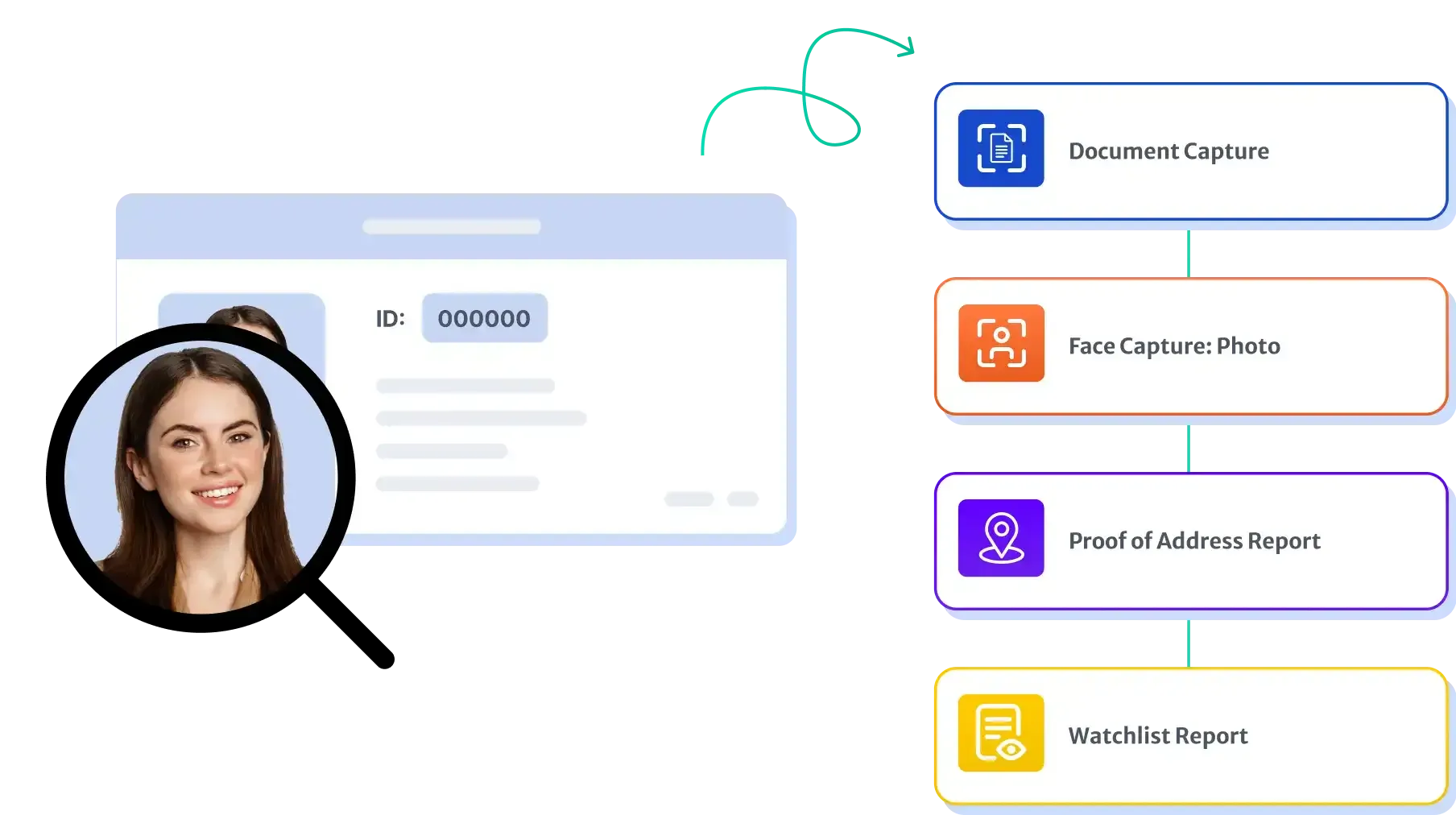
Identity verification proves to be the most successful method for stopping promo abuse. KYC processes enable businesses to authenticate user identities thereby reducing the occurrence of multi-account frauds and improper voucher use. Companies can protect their promotions from continual abuse by implementing government-issued ID checks or biometric authentication or other identification procedures.

AI in Fraud Prevention

The detection of fraud specifically relies on artificial intelligence systems for its success. If you track how users act the machine learning algorithms detect unusual behaviors which signal possible fraudulent behavior. These systems detect abnormal behavior through pattern recognition and deploy instant blocking for abuse attempts made from shared device networks and IP addresses. The ongoing learning process of new fraud methods by artificial intelligence technology allows businesses to maintain superior protection against emerging threats.

Behavioral Analytics

Organizations use behavioral analytics systems to detect unusual promo redemption patterns from user activities. A business distinguishes authentic users from abusers through the analysis of authentication metrics and purchase records and behavioral patterns. Businesses implement alert systems which activate when atypical operational patterns appear so they can take necessary steps to stop emerging fraudulent behavior.

How Does KYC Hub Leverage Technology to Detect and Prevent Promotional Abuse?

KYC Hub’s Transaction Monitoring platform employs advanced fraud detection solutions to mitigate promo abuse effectively:

AI-Powered Risk Scoring: Identifies high-risk users based on behavior and transaction patterns.

 Biometric Verification: Prevents multi-account fraud by verifying unique user identities.

Automated Compliance Checks: Ensures users comply with promotional terms.

Real-Time Transaction Monitoring: Detects unusual promotional fraud patterns and blocks suspicious activities instantly.

Conclusion

Fraudsters in 2026 have become more sophisticated throughout the year as promo abuse continues to be a major challenge. To prevent abuse businesses need to deploy complete prevention strategies which integrate artificial intelligence software for fraud detection systems with time-based monitoring and identity authentication methods. Deployment of these solutions enables companies to defend their promotions and decrease financial losses while upholding fair customer relationships. Contact us for more information.


Related Blogs

How to Spot and Prevent...

Learn how to spot and prevent real estate fraud. Protect yourself from property scams...

Read More

Funds Transfer Fraud: How It...

Learn how funds transfer fraud works, its impact, and the best prevention strategies. Discover...

Read More

AI in Financial Fraud Detection:...

AI in fraud detection uses machine learning and real-time monitoring to identify financial crimes...

Read More