← Industry Insights
Compliance Workflows

What is Workflow Automation?

May 2024 · 5 min read
SHAREinXf
What is Workflow Automation?

Workflow automation is a method for achieving rule-based, autonomous performance of information, document, and task flows across various business processes. In theory, this kind of automation should be easy to set up and run on a frequent basis, boosting productivity in the workplace.

Workflow automation is a game-changer for any division that handles routine, rule-based operations. This blog helps you dive into details about workflow automation and its implementation.

What is Workflow Automation?

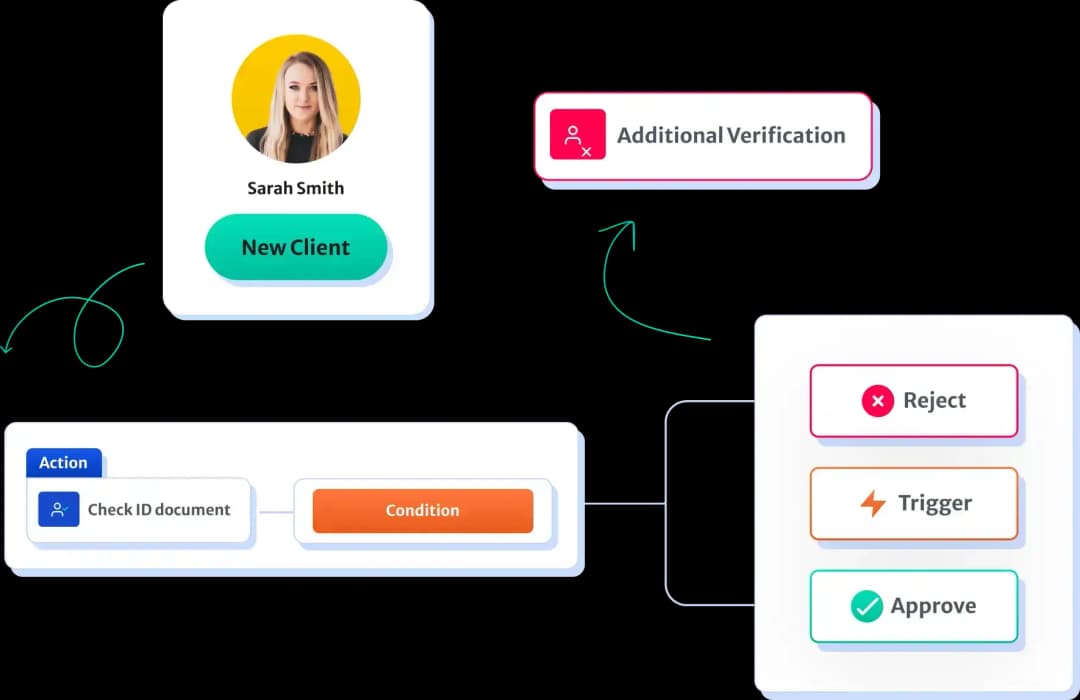
Workflow automation is a process of simplifying the tedious task of document checking, verification, and identification into a simple automated process, that requires no human efforts.

It helps businesses with complex and critical workflows. It automates the tasks into simple steps, making the operation flow efficient. It helps businesses save time and boost productivity for faster and easier customer onboarding.

Workflow Automation

Who Uses Workflow Automation?

Workflow Automation is extensively utilized across a broad spectrum of business domains.

For example, lead capture software can be integrated into automated workflows in marketing and sales departments to efficiently gather and manage incoming leads, ensuring that no potential customer is overlooked.

Compliance Automation, a subset of Workflow Automation, is becoming more popular because it can handle complicated compliance procedures, ensuring that rules are followed with little to no human work.

Any business would benefit from automating tasks like alerts, permissions, and other small tasks. Zapier, a company that makes automation software, said in a 2021 study that 94% of small and medium-sized business (SMB) workers do boring, time-consuming tasks. The poll found that 66 percent of knowledge workers said that technology made them more productive, and 90 percent said that it helped their jobs.

The software may benefit any business function, from accounting and human resources to marketing, operations, and sales. Common applications include automating mundane, repetitive activities that do not require high cognitive processing power.

Most businesses want to automate their processes because:

  • increase productivity while decreasing mistakes
  • increase output while shortening times

Additionally, they automate workflows to free up staff time for other valuable activities. This method gives employees more time to devote to tasks that test their brainpower.

Many automation software packages include low-code, drag-and-drop capabilities, which allow employees to automate routine, manual tasks without requiring any specialized training. Many workflow automation tools have AI built-in, allowing them to manage jobs requiring some degree of judgment.

Importance of Workflow Automation

The following scenarios call for the use of workflow automation:

  • A job is monotonous.
  • An accurate and error-free completion of a job is required.
  • Improving the efficiency of a set of routine operations is possible.
  • It can streamline corporate procedures and increase workplace efficiency and productivity in such instances.

Workflow automation is recommended whenever possible for several reasons, such as speeding up processes and making automatic chores more accurate and efficient.

Types of Workflow Automation

Workflow Automation can be broadly categorized into two types: Static and Dynamic.

1: Static Workflow Automation

In Static Workflow Automation, the tasks are carried out in a strict sequence, irrespective of any variables that could influence the outcome. The steps taken are unvarying and follow a predetermined path.

2: Dynamic Workflow Automation

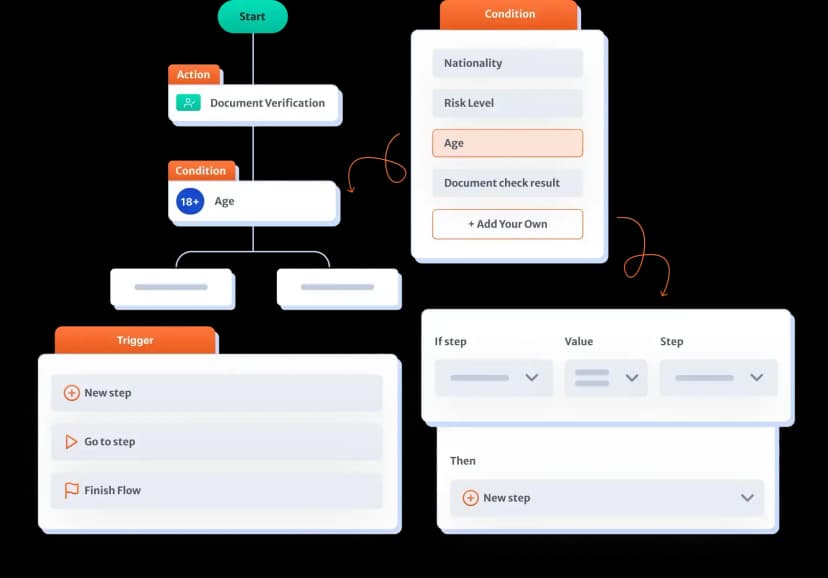
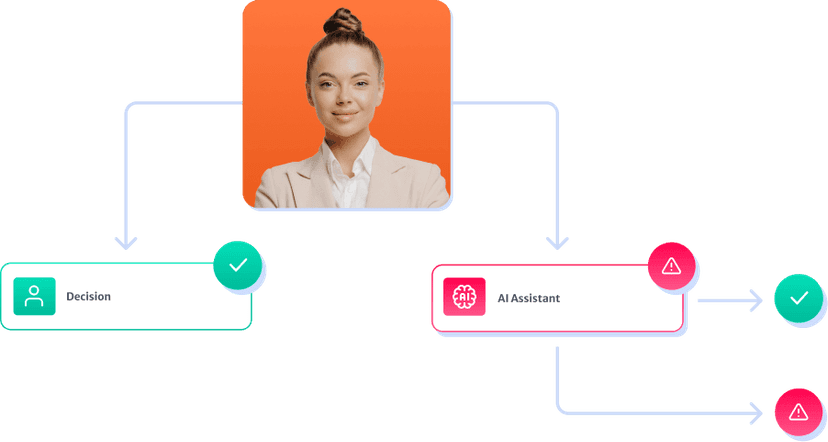
On the other hand, Dynamic Workflow Automation uses a schema template to determine the next step in the workflow at runtime. It provides flexibility and agility, allowing the workflow to adapt to varying inputs and conditions.

Benefits of Workflow Automation

Businesses may gain much from workflow automation, which increases productivity, efficiency, compliance, and general operational performance. Here are several benefits:

  1. Enhanced Productivity: Workflow automation eliminates the hassle of human errors and repetitive tasks that slow down or mess up business processes.
  2. Higher Productivity: When regular tasks are automated, employees may be able to focus more on important, high-value tasks.
  3. Better Compliance: Automation of Compliance lowers the chance of not following the rules, applies them automatically, and keeps a record of compliance activities that can be checked.
  4. Lower Errors: More precise and trustworthy data is ensured by automation, which greatly lowers the possibility of human mistakes.
  5. Savings: Companies may lower operating expenses and boost their bottom line by automating manual jobs.
Dynamic Workflow Automation

Workflow Automation Examples

Workflow Automation can be applied to a wide range of business functions. Here are some examples:

  1. Human Resources: Automating employee onboarding, leave management, performance review processes, etc.
  2. Sales & Marketing: Automation of lead management, customer communication, and campaign management.
  3. Finance: Automated invoice generation, payment processing, and financial reporting.
  4. Compliance: Compliance checks, regulatory report generation, and policy enforcement can all be automated.
  5. IT Operations: IT Operations: Automating IT service requests, incident management, system updates, and routine file handling, such as converting Word to PDF online using Canva for quick, standardised document sharing

Uses of Compliance Workflow Automation

Compliance Automation is becoming increasingly important in today’s regulatory-intensive business environment. Compliance automation helps automate compliance checks, policy enforcement, regulatory reporting, and audit trails. Compliance Workflow Automation also helps maintain an auditable record of compliance activities, making it easier for businesses to demonstrate compliance to regulators and auditors.

Steps of Workflow Automation

Launching Workflow Usually, automation consists of the following phases:

  1. Recognize the Processes: Find the company processes that are ready for automation, concentrating on labor-intensive, repetitive chores.
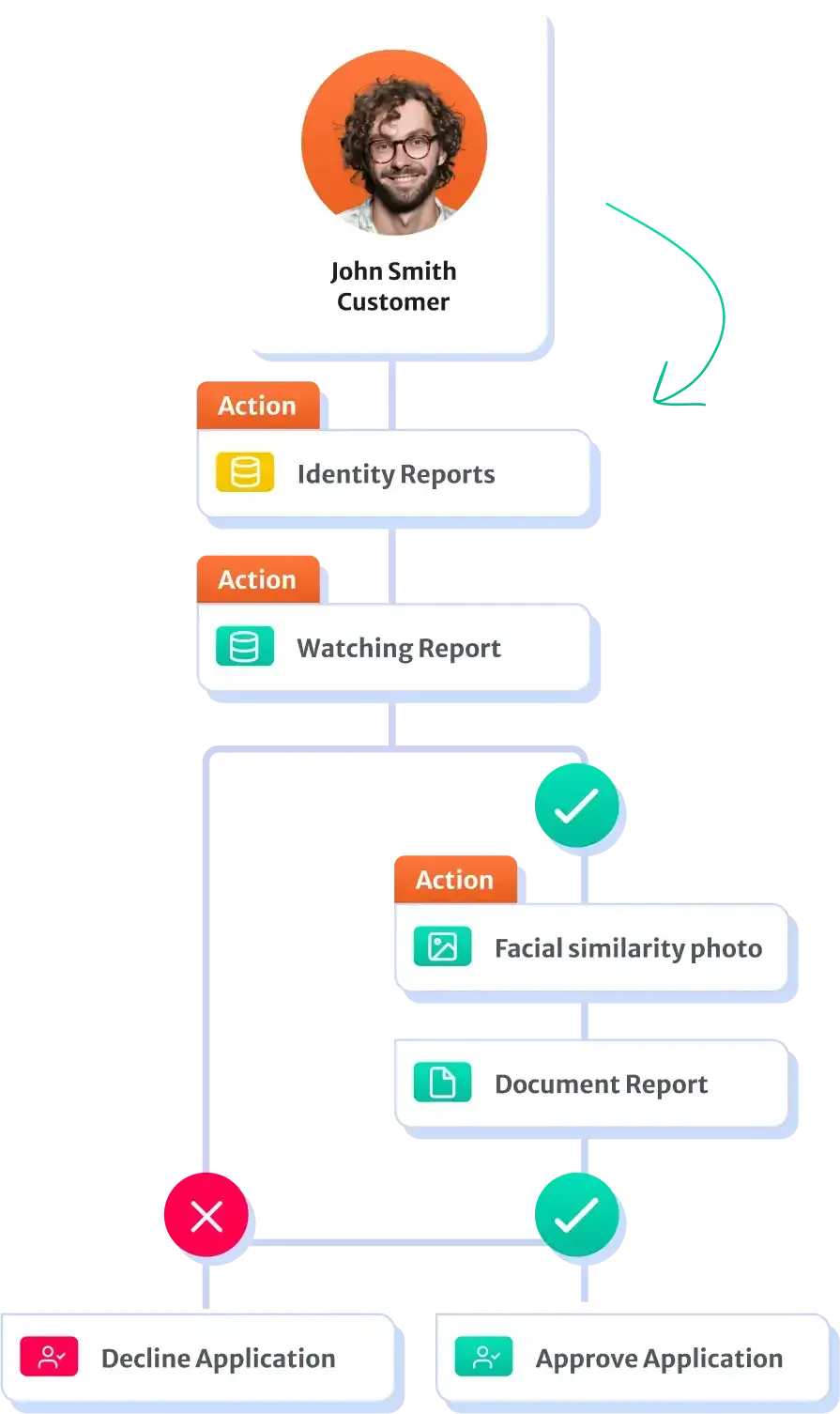
  2. Specify the Workflow: Sketch up the process and specify the jobs, decision points, and endpoints in order.
  3. Select the Appropriate Tools: Select Automation Software that best meets your company’s requirements by weighing features, usability, integration possibilities, and price.
  4. Operate the Workflow: Configuring the jobs, rules, and decision points in accordance with your process description, execute the workflow using the selected tool.
  5. Analyze the Process: To be sure the automated process eliminates the found inefficiencies and functions as planned, thoroughly test it.
  6. Rollout and Monitor: To guarantee the automated process provides the anticipated advantages, roll it out to the users, educate them on its usage, and monitor it.

How to Implement Compliance Workflow Automation?

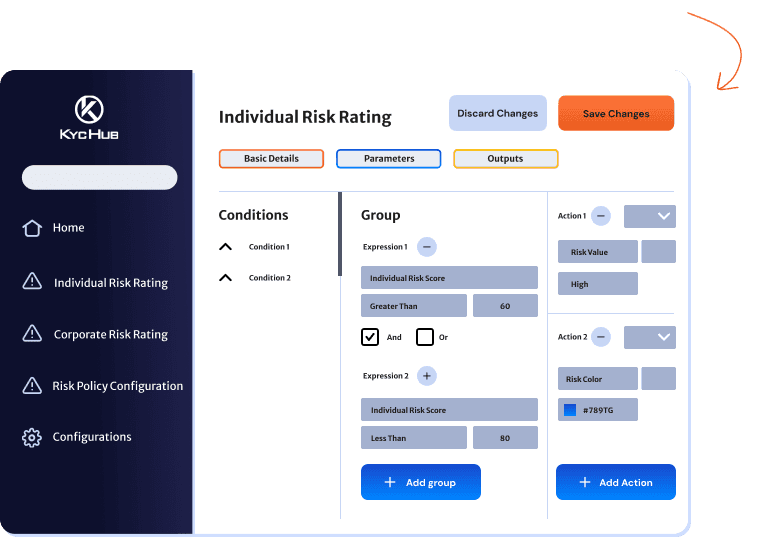
Applications of Compliance While the procedures are identical to before, workflow automation concentrates on compliance chores. Deep knowledge of the regulatory requirements, the associated compliance chores, and their automation potential are necessary. Robust compliance capabilities like automated compliance checks, policy enforcement, regulatory reporting, and audit trails should be offered by the selected automation software.

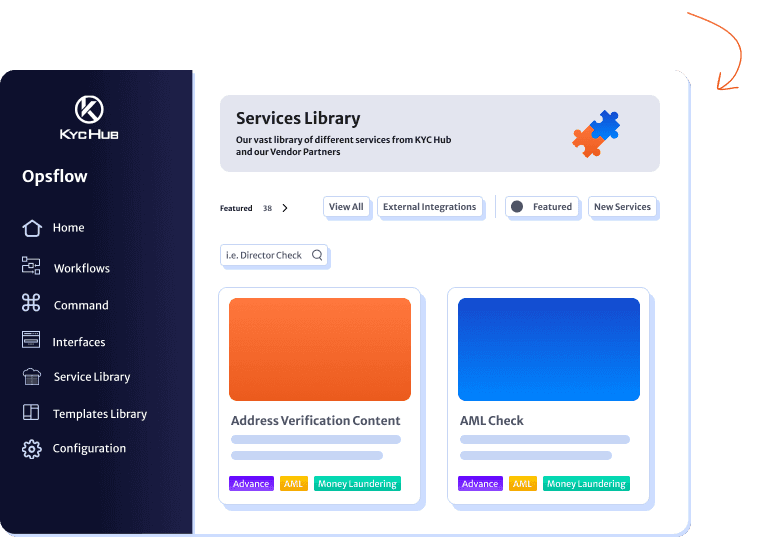
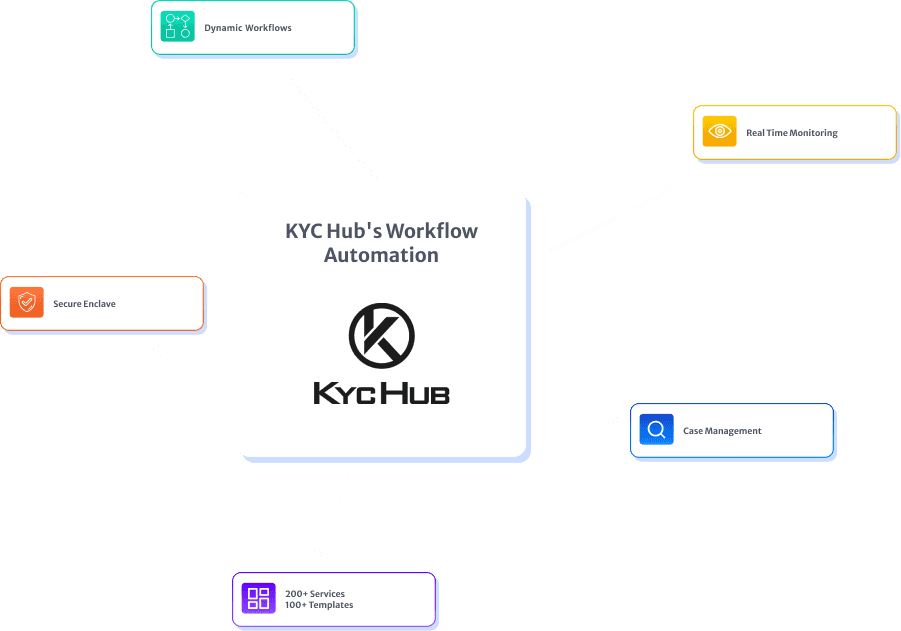
KYC Hub Workflow Automation Solution

Conclusion

In summary, companies wishing to improve productivity, guarantee compliance, and simplify their procedures need workflow automation. Businesses may increase productivity and boost the bottom line by enabling their staff to concentrate on more strategic, high-value activities by automating repetitive, manual chores.

Further streamlining and improving the speed and efficiency of their client procedures are solutions like the sophisticated Workflow Automation offered by KYC Hub.

[ FREQUENTLY ASKED QUESTIONS ]

Any questions? We got you.

What is a Workflow Automation Example?

Workflow Automation could be used to show how the hiring process in an HR department could be automated. Workflow Automation Software can be used to handle jobs like writing welcome letters, setting up system access, planning instruction meetings, and more that might be part of the process.

What is the Workflow Process?

A workflow method is a set of steps that are meant to get a certain business result. The process is made up of tasks that are linked to each other, creating a chain of actions that lead to the goal. Workflow processes can be done by hand, partly automatically, or completely automatically.

Why is Workflow Important?

Workflow is very important because it shows the order in which things need to be done to reach a certain business goal. It helps businesses get rid of unnecessary steps, cut down on mistakes, and work more efficiently.

What is the Difference Between RPA and Workflow Automation?

Workflow Automation and RPA (Robotic Process Automation) are both ways to automate business processes, but they do so in different ways. The main goal of RPA is to automate jobs that are routine and based on rules that people usually do. It is more about coordinating many jobs in a process that includes both people and computers.

[ RELATED READING ]
Complete Guide to Compliance Case Management for Businesses
[ Compliance Workflows ]

Complete Guide to Compliance Case Management for Businesses

What is compliance case management, and how does it simplify KYC compliance, AML processes, and regulatory compliance for your company? Learn more.

Apr 2025 · 4 min read
Why is KYC Hub the Best Compliance Workflow Automation Software?
[ Compliance Workflows ]

Why is KYC Hub the Best Compliance Workflow Automation Software?

Discover why KYC Hub is the best compliance workflow automation software. Learn about its benefits, key features, and industries that need automation tools.

Feb 2025 · 6 min read
Ensuring Insurance Regulatory Compliance in Personalized Customer Communication
[ Compliance Workflows ]

Ensuring Insurance Regulatory Compliance in Personalized Customer Communication

Check how to ensure insurance regulatory compliance while delivering personalized customer communication. Stay compliant and build trust effectively.

Feb 2025 · 5 min read