Document Verification Service: A Complete KYC Guide for 2026
Fraud moves quickly, and a backlogged review desk rarely keeps pace with it. Online checks have become one of the first lines of defense an organization has against impersonation and identity theft. Any business that touches money, health records, or sensitive personal data now tends to rely on a document verification service to confirm that a passport, a license, or a utility bill really is what it claims to be. Two jobs sit underneath that confirmation. One is reading the document correctly, and the other is establishing that a real person stands behind it. What follows explains how verification operates in 2026, the reasons it matters to regulated firms, and the features that separate a credible platform from something that only scans an image and hopes for the best.
Document Fraud in the Age of Generative AI
Verification is a harder problem in 2026 than it was even twelve months ago. Generative tools can now turn out a convincing fake ID in minutes. Worse, fraudsters have learned to push these synthetic files directly into the verification flow, skipping the camera so that no genuine capture is ever recorded. Vendor data confirms the surge. According to iProov's April 2026 Threat Intelligence Report, injection attacks aimed at iOS devices climbed 741% across 2025, and a 1,151% jump was concentrated in the second half of the year alone. A static check that merely confirms a template looks correct cannot withstand that. Visual inspection is one input among several for a serious document verification service, which also examines metadata, device signals, and whether the image reached the system through a genuine camera rather than a virtual feed.
What is document verification?
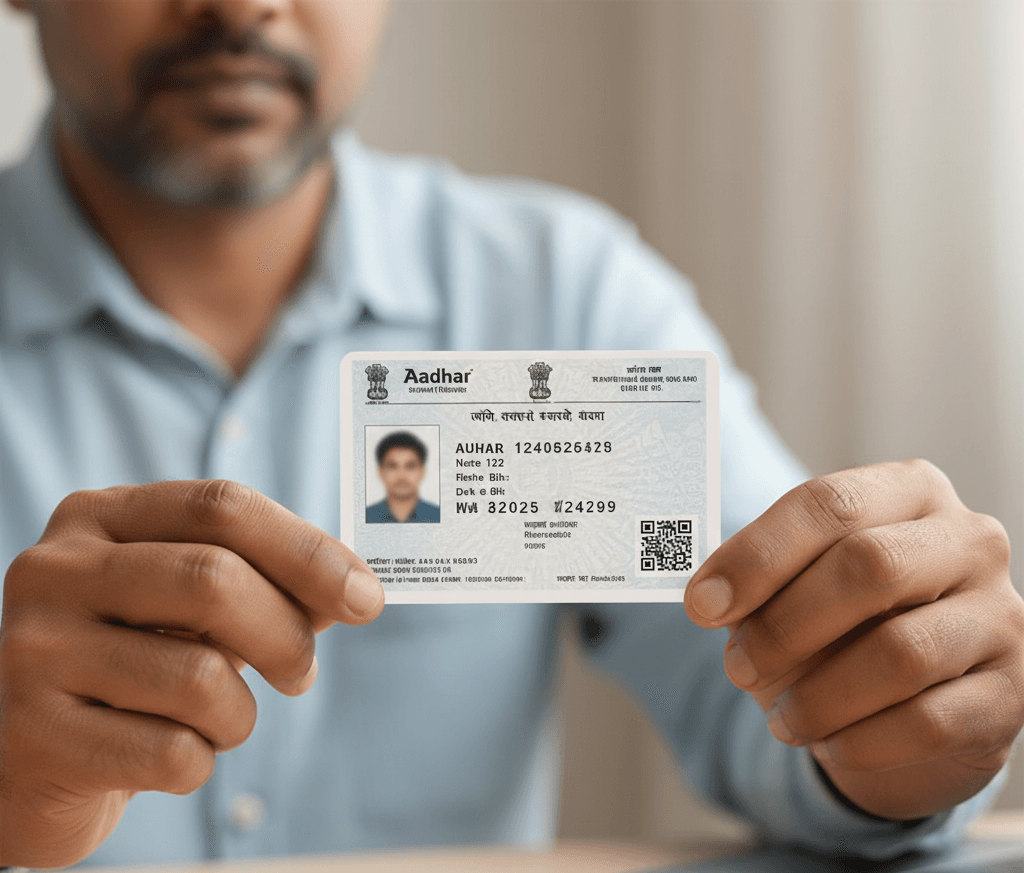
Document verification is the process of authenticating documents to confirm their authenticity, legitimacy, and accuracy. Inputs vary widely. Bank statements, passports, utility bills, employment letters, and government identity documents all move through the same workflow, which reads the contents of each one and connects that data back to a real, identifiable person.
Automated tooling carries most of the load. Documents get collected, scanned, and analyzed by software, and the result is something that businesses, financial institutions, and government agencies across the economy depend on to keep fraudulent applicants out of their systems.
Technology has changed how these checks run, drawing on capabilities that would have counted as research-grade only a decade ago.
These systems use:
- Advanced computer vision algorithms
- Optical Character Recognition (OCR)
- Artificial Intelligence (AI)
- Machine Learning (ML)
Validation covers a wide spread of methods. Certain checks examine physical security features such as holograms and watermarks, while others inspect digital signatures and encryption to confirm that a file has not been altered since the moment it was issued. Layering is where the real strength comes from. Combining those approaches lets an organization authenticate a document and still meet the security obligations and regulatory commitments it answers to.
What is a document verification process?
Validation and authentication of submitted documents are what define the document verification process. Underneath every run sit two requirements: the right source records, and data extraction clean enough that nothing gets garbled on the way in, because a single mistyped field or one missing reference dataset is sometimes all it takes for a fabricated document to slip through and pass as genuine. So accuracy governs the outcome. Trusted databases then anchor the cross-referencing that confirms a document is real.
How does document verification work?
Inside any modern document verification service, purpose-built technology works in tandem with a disciplined sequence of validation steps. Speed and rigor have to coexist. The multi-stage flow described below is built to identify forged documents while keeping the experience fast enough that legitimate applicants rarely give up before the end, and that balance is what every onboarding team is chasing.
1: Submitting User Information
Applicants submit details through a secure portal. What gets requested depends on the organization, which asks for the specific documents its own risk profile calls for instead of imposing one fixed bundle on every customer regardless of the product being opened. Government IDs, utility bills, and financial statements are common asks.
2: Data Extraction and Analysis
OCR technology pulls the critical fields off each document, after which AI systems weigh several signals, among them:
- Document completeness and edge detection
- Security features such as watermarks and holograms
- Colorspace and texture analysis
- Digital signature verification
3: Evaluation of Credentials
Detailed validation checks run against trusted databases and official records. Cross-referencing is the next move. Software reconciles the extracted data against what the applicant supplied, looks for consistency across every document in the bundle, and flags any field that fails to line up.
4: Verification and Results
At the final stage, automated scoring is blended with human review wherever a case warrants it. Multiple validation points feed the verdict. Anything suspicious gets routed to a reviewer rather than waved through without a second look at the underlying evidence, and the results then travel back over secure channels, carrying supporting detail while the applicant's data stays protected from end to end.
Why is Document Verification Important?
Identity fraud reaches deep into ordinary life. In 2024 the FTC logged 1,135,291 identity theft reports, a 9.5% rise on the prior year, while reported fraud losses across all categories climbed to $12.5 billion over those same twelve months. Figures like those carry real consequences. Numbers on that scale explain why dependable verification has stopped being optional, and why confirming that a document is genuine does a great deal more than tick a security box.
Businesses use document verification systems to meet several key goals:
- Meet regulatory obligations under KYC, AML, GDPR, and CCPA
- Defend against sophisticated forgery and identity theft
- Earn customer trust through consistent verification processes
- Accelerate customer onboarding and lift satisfaction
- Lower operational costs through automation
For a financial institution, or for any business that holds sensitive customer data, verification is part of risk management itself. Stakes here stay concrete. Firms that get this right protect themselves from financial loss and stand on much firmer ground with the regulators who can fine them for letting a bad actor slip through.
Automated compliance checks and layered security controls keep records accurate while removing the human error that tends to creep into manual review.
Difference Between Physical and Digital Document Verification
As technology matured, two routes to proving a document genuine took shape: traditional physical verification and the modern digital approach. Both are after the same result. Each one aims to produce a confirmed-authentic document tied back to a real person, yet the mechanics behind them differ so sharply that the cost, speed, and accuracy of the two end up far apart.
Physical verification means a trained person inspects a document by hand to confirm the holder is who they claim to be, whereas a digital document verification service validates or scans the same file online, with nobody leaving their desk. Manual checking is slow. Digital methods are quicker, they scale without extra staff, and they spare the applicant a trip to a branch.
Traditional physical verification depends on people examining documents in person.
This approach requires:
- Direct handling and inspection of original documents
- Visual review of security features
- In-person verification steps
- Long processing windows
- Higher operational costs
- A greater margin for human error
Digital verification relies on advanced technology to make those same checks quick and seamless. Hundreds of document features get evaluated in seconds, and the verdict is more accurate than a tired reviewer working the hundredth file of a shift could realistically produce. Forgeries also come to light faster. Layered validation lets these platforms detect sophisticated fakes that a single visual pass would miss, operational cost comes down, and the smoother experience keeps applicants from dropping out partway through.
What are the challenges of manual document verification?
Manual document verification carries operational costs that quietly wear down both efficiency and security. Human keying introduces error on its own. Research puts typical manual data-entry error rates in the 1% to 4% range, and those rates spike well past 18% once workloads climb and the documents themselves grow complicated. Every wrong field opens a small gap, and a fraudster can pry it wider.
The main challenges of manual document verification are:
- Accuracy drifts between branches and locations
- New document formats outpace what staff have learned
- Slow turnaround frustrates applicants
- Documentation and storage run expensive
- Every extra handling point widens the security surface
- Reviewers struggle to spot sophisticated forgeries
Wherever an unaided human sits in the loop, the process turns brittle. Automation makes the whole chain sturdier. Standardized steps, together with detection models trained on far more fraud than any individual reviewer will ever see, let modern platforms close a gap that manual review leaves wide open.
The payoff from that shift to automated document authentication is dependable accuracy and a great deal less wasted effort.
Industries Using Document Verification
Document verification supports security and compliance for organizations of every size. Use cases differ sharply. Each industry shapes its deployment around the particular pressures it faces and the specific regulators that hold it to account, which is why no two rollouts look quite the same.
- Health and Wellness Industry
Healthcare organizations deploy document verification to protect patient data and keep their HIPAA compliance posture intact. Reach goes well past intake. Those same systems validate insurance claims and medical credentials, secure electronic health records, and turn what used to be a paperwork ordeal at patient intake into something closer to a few taps on a phone.
- Financial Institutions
Financial services firms run hardened verification across:
- Account opening and loan processing
- KYC compliance verification
- Fraud prevention on high-value transactions
- Credit card application checks
- E-Commerce and Online Shopping Platforms
E-commerce platforms verify both sellers and buyers. This safeguard matters most around high-value purchases and marketplace sign-ups, where a single fraudulent account can quietly drain trust from thousands of legitimate users before anyone notices the pattern. Stakes on a marketplace run high. Done well, the check shuts account takeovers down outright.
- Educational Institutes
Education providers verify student credentials, shut down academic fraud, and protect remote examinations. Demand for these capabilities rose quickly. They turned essential as more learning moved online and tamper-prone paper transcripts gave way to digital certificates that themselves need authenticating before any employer or admissions office will trust them.
- Government Sector
Government agencies apply rigorous verification across benefits programs, business registration, and employment eligibility. Two goals pull against each other here. An agency has to deliver services to citizens quickly, yet it also has to keep the sensitive personal information those citizens hand over out of the wrong hands. Verification is what reconciles the two.
Future Trends in Document Verification
Technology keeps reshaping how documents get verified. Momentum runs brisk. Several maturing approaches are converging into faster, harder-to-fool workflows that would have read like science fiction to a compliance team a few years back, before deepfakes and injection attacks forced everyone to move quicker.
The technologies behind that shift include:
- Artificial Intelligence and Machine Learning for automated verification and fraud detection
- Blockchain-based solutions for tamper-evident record-keeping
- Biometric authentication using facial recognition and fingerprint matching
- Zero-knowledge proofs that confirm a fact without exposing the underlying data
- Smart contract integration for automated compliance
Identity verification keeps moving toward the applicant, and mobile-first design is gaining ground fast. Credentials now travel in the wallet. Many people store digital identity documents in secure mobile wallets, which gives them real convenience and still preserves the protection that financial institutions and government agencies handling sensitive paperwork continue to demand. An organization weighing these capabilities can see how the pieces fit together in a unified intelligent document processing platform that brings extraction, forensic checks, and automated validation into one flow.
Conclusion
Deciding whom to trust now runs through a document verification service, and that service has become inseparable from meeting the regulatory requirements that govern how organizations handle the people and money flowing through their systems. Need for it spans every sector. Across healthcare, finance, education, and public services, each one wants verification it can stand behind on the day the audit arrives.