Face Liveness Detection: How It Works and Why Compliance Teams Need It
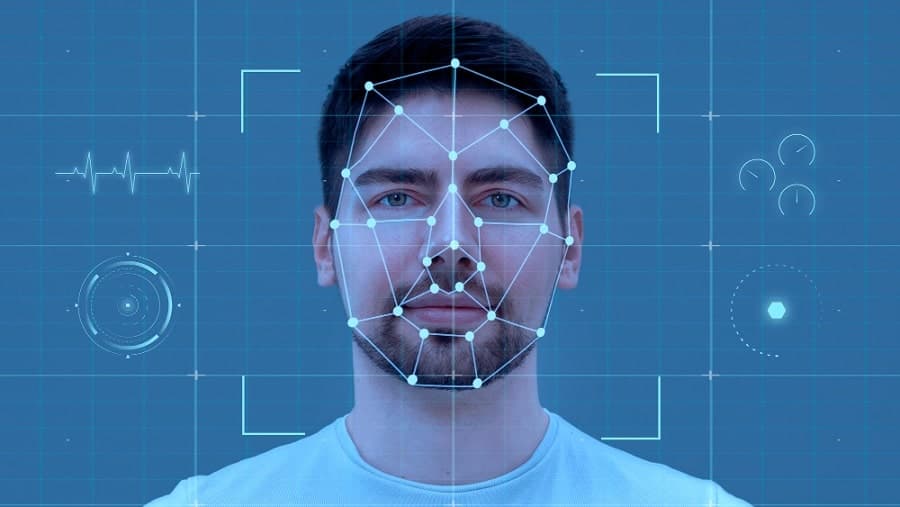
Face liveness detection confirms that a real, physically present human is in front of the camera during a biometric identity check. Not a photo. Not a replayed video, a mask, or a synthetic face. It reads facial signals and capture context to tell genuine living subjects apart from spoofed or injected media. For compliance teams, it is the control that keeps a stolen ID image or a deepfake from slipping through an onboarding flow that otherwise looks legitimate.
This guide walks through how face liveness detection works, where active and passive approaches part ways, the attacks it has to defend against, and how liveness fits inside a regulated KYC program. It is written for compliance, fraud, and risk teams sizing up biometric verification, not for end users learning to take a selfie.
What Is Face Liveness Detection?
Face liveness detection comes down to one question: does this captured face belong to a live person at the moment of capture? The system answers it by inspecting facial characteristics, depth, texture, and motion cues, then scoring how likely the input came from a real subject rather than an artifact. A static image, a screen replay, a printed photo, a 3D mask, a generated face. Each one throws off signals that differ from a living face, and a well-trained model learns to flag those differences.
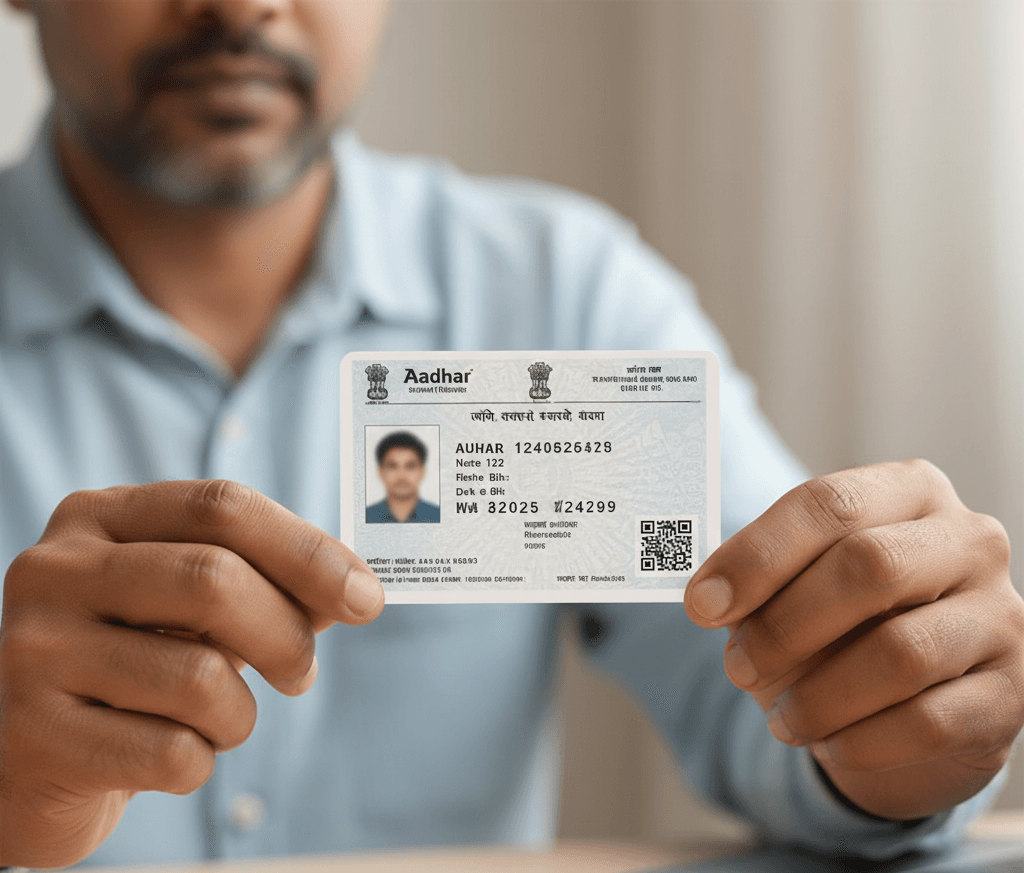
In practice, liveness rarely stands alone. Compliance teams run it next to a selfie-to-ID match that compares the live face against the photo on a government-issued document, so the platform settles two questions at once. Is this a real person? And is this the same person named on the identity document? Those two checks are what underpin remote identity verification, giving a regulated business defensible assurance that the individual finishing onboarding is genuine.
Active vs Passive Liveness Detection
Two approaches dominate, and the one you pick shapes both your security posture and how much friction users feel.
Active liveness asks the user to do something that proves presence. Blink, smile, turn your head, follow a moving target on screen. The system then verifies that the response matches the challenge. Auditors like active checks because the proof of life is visible and explicit. The downside is friction: each prompt adds a step that can frustrate users and drag down completion rates.
Passive liveness works differently. It runs in the background from a single capture, with no instructions for the user to follow, analyzing texture, micro-detail, lighting, depth, and other subtle cues to decide whether the face is live. Often it does this within a fraction of a second. No challenge step means a much smoother onboarding experience, and it still resists common spoofs. That trade-off is why many compliance programs favor passive detection: it lifts conversion without weakening control. Some platforms run both, so high-risk sessions can escalate to an active challenge.
Presentation Attacks and Injection Attacks
Liveness systems face two distinct attack categories, and treating them as one is a common evaluation mistake.
A presentation attack happens at the camera. Here the fraudster holds a physical or displayed artifact up to the real device sensor: a printed photo, a phone or tablet replaying a video, a paper mask, a silicone 3D mask. When people say "liveness," this is usually what they mean. Detection relies on texture, depth, reflection, and motion analysis of what the sensor actually sees.
An injection attack skips the camera altogether. Rather than showing something to a lens, the attacker feeds fraudulent media straight into the capture pipeline using a virtual camera, an emulator, a modified app, or an intercepted API call. The image never passes through a real sensor, so sensor-based presentation defenses can miss it entirely. Stopping injection takes a different toolkit: device and pipeline integrity signals, capture environment validation, and tamper detection that confirms the media came from a genuine session. A program that only addresses presentation attacks leaves the injection door wide open, and that gap matters more every year as automated attack tooling spreads.
Deepfake and Spoof Resistance
Generative AI has rewritten the threat model. Deepfakes and synthetic faces can defeat naive liveness, especially simple active challenges, because a generated face can be made to blink, smile, or turn on cue. The nastiest case combines both threats: a re-rendered deepfake video injected straight into the pipeline.
Solid deepfake resistance never leans on a single tell. It layers defenses instead. The system looks for the subtle artifacts that generative models leave behind, confirms the capture came from a real sensor on a real device, checks environmental consistency in the frame, and treats injection vectors as first-class threats. Attackers iterate fast, so spoof resistance is a moving target. It depends on models retrained against fresh attack samples, not a feature that ships once and gets left alone. So when you evaluate vendors, push on two things. Ask how the system handles injected deepfakes specifically, not just printed photos and screen replays. Then ask how often the detection models are updated.
The Role of Liveness in Biometric Onboarding and KYC
Inside a KYC program, liveness is the gate that protects everything downstream. Let a fraudster slip through with a stolen document and a borrowed or synthetic face, and every control downstream inherits a corrupted identity. Paired with document authentication and selfie-to-ID match, liveness settles at the front door that the person being onboarded is real and rightful.
The stakes go beyond fraud loss. Regulators care too. Frameworks built around Know Your Customer and anti-money laundering obligations require firms to verify customer identity with reasonable assurance, and remote channels need a control that stands in for the confidence of an in-person check. Strong liveness lets a compliance team run fully remote, frictionless biometric onboarding and still clear that bar. A clean liveness and match check also gives risk scoring, screening, and ongoing monitoring something trustworthy to anchor to. All of which argues for treating liveness as part of an integrated verification stack rather than a bolt-on widget. It belongs alongside broader fraud prevention controls in a layered defense.
How KYC Hub Approaches Face Liveness and Biometric Verification
KYC Hub's face liveness detection is built for identity assurance in regulated onboarding. Passive liveness sits at the center, so legitimate users get confirmed from a single capture with minimal friction. At the same time, it holds up against presentation spoofs, injected media, and deepfakes. Liveness runs alongside a selfie-to-ID match, so the platform confirms both that the person is live and that they are the rightful holder of the presented document.
Liveness rarely works in isolation, so the capability folds into a wider verification and compliance workflow instead of standing on its own. The same identity signal that clears the front door carries through to onboarding, screening, and risk decisioning, which leaves compliance teams with one trusted identity anchor across the customer lifecycle. The payoff is frictionless biometric onboarding that still stands up to scrutiny from fraud teams and auditors.