← Industry Insights
Financial Crimes

Financial Fraud – A Complete Guide for 2025

Jan 2025 · 4 min read
SHAREinXf
Financial Fraud – A Complete Guide for 2025

Financial fraud is a broad term encompassing a diverse range of unlawful activities aimed at obtaining financial resources or assets through deception. From relatively simple schemes to highly complex and sophisticated operations, financial fraud often involves dishonest individuals or organized criminal groups exploiting vulnerabilities within the financial system for personal gain.

Let’s discuss financial fraud—what it is, how to spot it, and, most importantly, how to protect yourself from becoming another statistic.

What is Financial Fraud?

Financial fraud happens when criminals use deception to steal money or assets from people and organizations. The Association of Certified Fraud Examiners (ACFE) defines this crime as a calculated misrepresentation that could give unauthorized benefits to people or entities.

Identity theft losses reached a staggering $52 billion in 2023. Anyone can fall victim to financial fraud, from young adults to senior citizens. Criminals follow scripted actions to deceive victims while gaining illegal financial advantages.

Several key characteristics define financial fraud:

Calculated misrepresentation of material facts:

  • Intent to deceive the victim
  • Reliance on false information by the victim
  • Resulting damage or financial loss
  • Pattern of deceptive behavior
Fraud Prevention Solution

Financial fraud comes in many forms like embezzlement, insurance scams, ransomware attacks, identity theft, and mortgage fraud. Federal and state governments have created laws to curb these crimes. Penalties range from civil fines to criminal prosecution.

The “fraud triangle” explains why people commit fraud through three elements: financial pressure (like a money crisis), a chance (such as weak security systems), and justification of the fraudulent act. Small businesses face higher risks of fraud because they have limited security measures. This often pushes them toward insolvency.

Victims suffer beyond just losing money. Fraud creates long-term mental and physical trauma that affects individuals and whole communities. Government entities worldwide lose between 0.5% and 5% of their spending to fraud and related losses.

Types of Financial Fraud

Financial fraud keeps changing its face as criminals come up with clever new ways to trick their victims. The World Economic Forum’s 2018 report showed fraud and financial crime had grown into a trillion-dollar industry. Private companies spent about $8.2 billion just on anti-money laundering controls.

These are the main types of financial fraud that affect people and organizations:

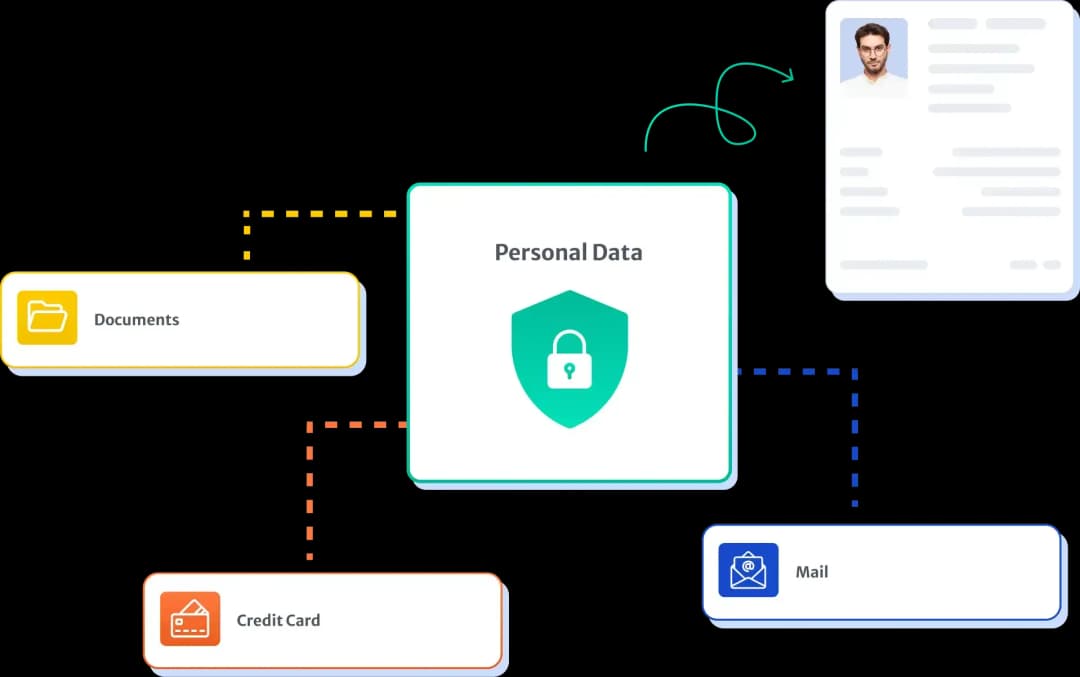
  • Identity Theft and Fraud: Criminals steal and use personal data to make money. The losses hit nearly $52 billion in 2023.
  • Credit Card Fraud: Cases jumped 13% to 440,666 in 2022. Card-not-present (CNP) fraud makes up 75% of all card fraud value, while the rest happens with physical cards.
  • Investment Fraud: Scammers lure victims with promises of high returns and no risk. The FBI’s data shows these cases usually involve fake promises of safe investments.
  • Mortgage Fraud: Losses have crossed $1 billion across the country. Scammers either lie about their income to get property or run complex schemes that hurt the market more.
  • Insurance Fraud: The World Economic Forum found that companies lose almost three dollars for every dollar of fraud after adding up all related costs.

Digital transactions have opened doors to smarter cyber attacks. Fraudsters now use artificial intelligence and machine learning to create more believable scams. Banks report that cyber attacks have become bolder and more common, which breaks through traditional security measures.

What is Fraud Prevention and Why is it Important?

How to Detect & Prevent Financial Fraud?

Financial fraud protection needs an all-encompassing approach that combines careful monitoring and reliable security measures. Organizations faced a harsh reality in 2023 when 80% of them became victims of payment fraud. This shows why detailed protection strategies matter now more than ever.

These are the most important measures that organizations and individuals should take to detect and prevent financial fraud:

  • Monitor accounts and transactions with up-to-the-minute alerts
  • Implement strong authentication protocols and security measures
  • Conduct regular security audits and risk assessments
  • Establish strict internal controls and documentation
  • Train employees to prevent and spot fraud
  • Use advanced encryption to store sensitive data
  • Set up multi-factor authentication for all accounts

Up-to-the-minute transaction monitoring stands out as one of the best ways to prevent fraud. Companies can spot and stop fraudulent transactions before major damage occurs by using real-time monitoring systems. Digital payment fraud losses hit $20 billion in 2023, which shows why early detection matters so much.

Strong authentication protocols defend your systems against unauthorized access. Your organization should use multi-factor authentication (MFA) mechanisms that combine passwords with biometric verification or token-based systems. Regular security audits help spot weak points before fraudsters can exploit them.

Employee training is a vital part of preventing fraud. Your employees become great assets to your organization’s security when they know how to spot phishing attempts and social engineering tactics. Research shows fewer fraud incidents happen in organizations that provide detailed training programs.

Technology solutions play a key role in spotting and stopping fraud. Advanced algorithms and machine learning systems can process huge amounts of data instantly to find patterns and unusual activities that might signal fraud. These systems work better at reducing false alarms while finding new risks.

Individual consumers should start by watching their personal accounts closely and handling sensitive information carefully. Experts say you should check your credit reports often, set up transaction alerts, and be careful about sharing personal information online or over the phone.

KYC Hub Fraud Prevention Solutions

Conclusion

Financial fraud poses a serious threat as yearly losses hit record levels. Companies that use detailed fraud prevention strategies cut their losses in half compared to those without protection.

Strong security measures and advanced technology must work together with careful monitoring to fight financial fraud. Regular security updates, staff training, and live transaction monitoring help companies be proactive against new fraud tactics.

KYC Hub’s solutions protect companies from financial fraud. The right mix of smart prevention and technology creates powerful protection against fraud. Your assets stay safer in today’s digital world when you make fraud prevention a priority and follow consistent security practices.

[ FREQUENTLY ASKED QUESTIONS ]

Any questions? We got you.

What should I do if I become a victim of financial fraud?

You should report fraud to relevant authorities right away. Make sure you document all communications and keep records of any money you've lost.

How can businesses protect themselves against fraud?

Companies need to review and test their internal controls regularly. They should train their employees and vendors about fraud expectations and set up an anonymous fraud reporting hotline. Research shows that companies with fraud policies lose much less money.

What are the legal consequences of committing financial fraud?

The type and severity of the crime determine the penalties. Prosecutors must prove fraud beyond a reasonable doubt in criminal cases. Offenders usually face prison time, must pay restitution, and pay heavy fines.

Can financial fraud be prevented completely?

Organizations can minimize risk through strong prevention measures, though eliminating fraud completely is challenging. Fraudsters keep changing their tactics, so fraud prevention strategies need constant updates. Employee training and strong security measures reduce fraud risks substantially.

How do I report suspicious financial activity?

You can contact law enforcement or your financial institutions if you suspect fraud. To report someone anonymously, call Crimestoppers at 0800 555 111. Your chances of recovering losses and stopping further fraud improve when you report early.

[ KYC HUB ]

Stop fraud before it reaches your customers

Detect and prevent fraud across onboarding and transactions with device, behaviour and identity signals.

Explore the fraud preventionBook a demo
[ RELATED READING ]
Combating Financial Crimes in 2026: Global Efforts to Fight Back
[ Financial Crimes ]

Combating Financial Crimes in 2026: Global Efforts to Fight Back

See how governments, regulators, and FIUs collaborate in combating financial crimes by fighting money laundering through strict AML laws, intelligence sharing, and global partnerships.

Dec 2025 · 8 min read
Biggest Banking Frauds in India: All You Need to Know in 2025
[ Financial Crimes ]

Biggest Banking Frauds in India: All You Need to Know in 2025

Explore the top 15 banking frauds in India that shook the financial industry. Learn about key bank fraud cases, their impact, and ways to prevent financial scams.

Mar 2025 · 13 min read
Deepfake Laws and Regulations: All You Need to Know in 2025
[ Financial Crimes ]

Deepfake Laws and Regulations: All You Need to Know in 2025

Despfakes is your go-to source for deepfake insights, news, and tools. Explore AI-generated media, ethical debates, and the future of digital content. Learn more.

Feb 2025 · 11 min read