

Bank compliance has become a key base for international financial organizations in our time. With regulations on the rise and technology advancing and financial products evolving, banks are forced to ensure compliance as a foundational requirement for survival. The following essay explores the essence of banking compliance, the authority for regulation, issues at a normal, the appropriate, and the outlook. Now, when these entities don’t follow the rules around financial compliance laws, they risk yet another risk — losing customers.
Banks do this because they follow regulations, laws, and what is right. Compliance not only helps banks to adhere to rules, it also prevents stakeholders from fraudulent activities, illegitimate acts, and massive risks. In banking, compliance in this regard is about enforcing AML and KYC rules and also maintaining privacy/consumer claims/online security. One has to keep track of regulation and technology and keep up with others on the field. For the banker, it’s both a legal requirement and essential to keep up a robust institution to be consistent and trustworthy.
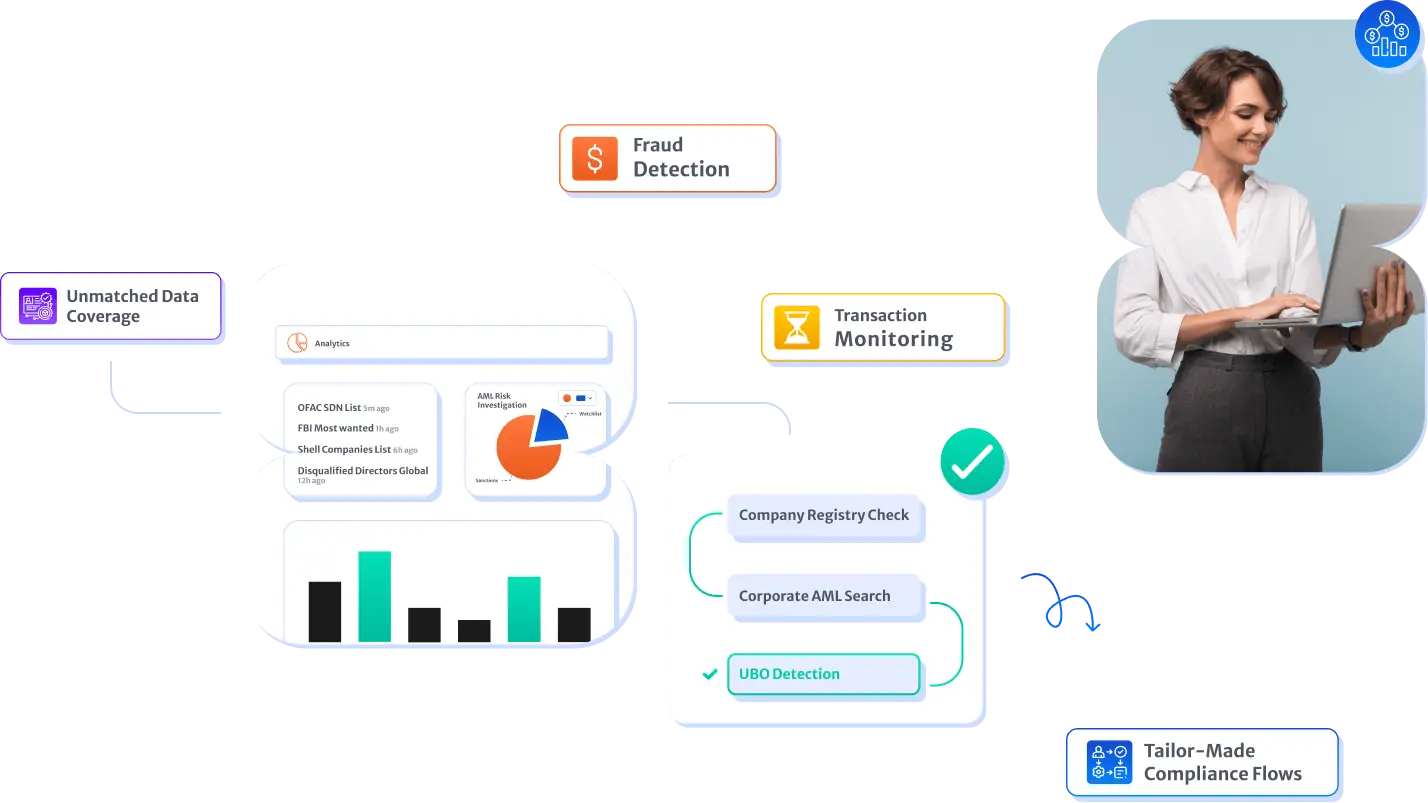
Through AML compliance, banks discover the revenues and use tools to block illegally obtained money from coming into their systems. All financial institutions are required to monitor suspicious transaction activities and report them to the relevant authorities. If we have effective AML frameworks in place this will end the financing of terrorism, organized crime and corruption.
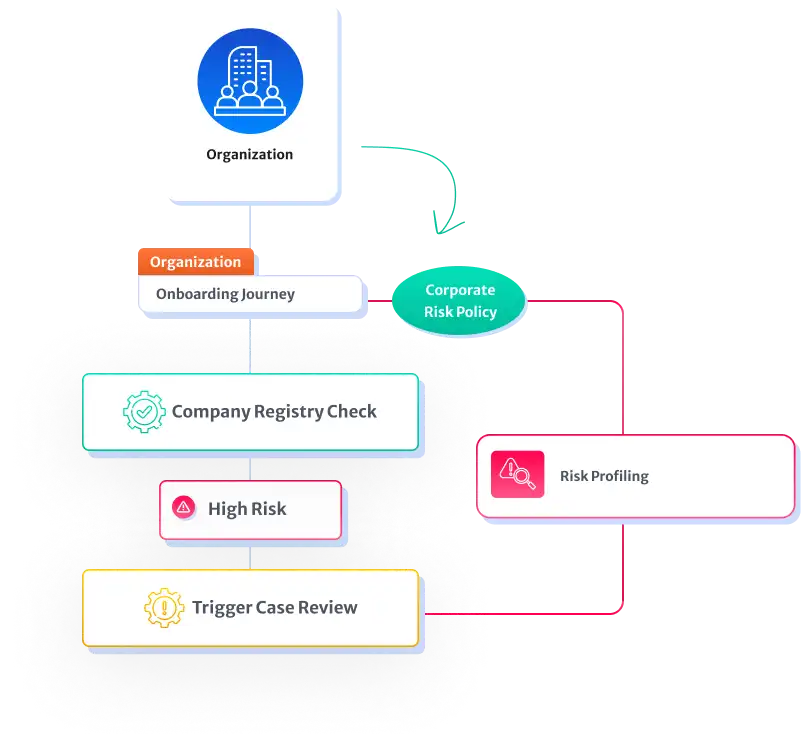
One of the first things that a business would need to ensure when onboarding a client is the customer, and then at every step of the relationship, confirm the identity. This helps banks assess risks and make sure they don’t do illegal activities. Financial Institutions usually started this process with strong KYC tools is the first step towards regulating these things the most banks.
It’s extremely crucial that customer behavior is managed to ensure the safety of their data when all banking services are online. Under the General Data Protection Regulation (GDPR), banks are required to take extreme measures to safeguard personal information and prevent unauthorized access.
To be a compliance bank, the customer should be treated in a fair manner and the product information should be transparent, making sure it’s easy for customers to get their concerns resolved. Rules curb misleading tactics and safeguard consumers by choosing appropriate products.
International and national sanctions programs need to be followed by Banks. Such restrictions include doing business only with those people, organizations, or countries approved by the government. A noncompliance will expose firms to high financial penalties and reputational damage.
Banks are primary targets for cyber threats and fraud. It means tracking, educating personnel and formulating protocols for responding to crises to safeguard data and assets.
Compliance in banks is the responsibility of the Federal Reserve, Office of the Comptroller of the Currency, Federal Deposit Insurance Corporation, and Financial Crimes Enforcement Network. Central laws governing this respect are the Bank Secrecy Act (BSA), the Foreign Account Tax Compliance Act (FATCA), and the Dodd-Frank Act.
Compliance is controlled by the Financial Conduct Authority (FCA) and Prudential Regulation Authority (PRA). They keep the UK’s financial marketplace stable and also act to protect its consumers.
The ECB, in charge of supervising the eurozone banks, is the ECB. PSD2 and Basel III are examples of things that are meant to foster openness, competition and stability in the financial services sector.
GDPR affects data protection practices worldwide. PCI DSS protects cardholder data used in payment systems.
Banks encounter several difficulties in doing effective compliance. Though bank compliance is extremely important, financial firms have to navigate various more complex problems constantly:
Each of the locations in which global banks are found has its own country law and its different way of implementing them in place. It means compliance rules are difficult to follow everywhere because there is no legal alignment. Since regulations for GDPR and CCPA do not line up, the same isn’t always true for compliance. Regulations change often in parallel, happen as they always need to change and require vigilance, which reduces resource and governance demands.
It is a costly industry where maintaining a strong compliance system is significant. As compliance rules can be highly expensive, particularly for smaller banks, they have to hire experienced managers and research expensive compliance software. In the view of Deloitte, there are now many establishments that must devote 10% or more of the operating budget to compliance. You should also allocate a portion of the initial budget for investments and servicing and training and audits down the road.
Most of the time, banks retain IT systems that are not suitable for new regulatory tools. It may be challenging, expensive for these infrastructures to adopt new compliance technologies such as artificial intelligence monitoring, online onboarding, and automated reports. Data is inconsistent and workflows are weak, in turn making it challenging for us to identify and report risks as they happen.
Newcomers like open banking, fintech partnerships, and crypto assets tend to be more developed, fast-moving services that can grow more quickly than the rules can keep pace to keep up. The key is for banks to try to keep pace with such new changes and yet remain on the hook for all the rules. Otherwise the business may not meet requirements, or else may too avoid risks significantly and be reluctant to innovate.
As compliance laws are evolving fast, small businesses are struggling to fill the role. New professionals such as AML, data privacy, sanctions, and cybersecurity need to be added to the bank’s recruitment, which is becoming increasingly difficult. A shortage leads to more errors, no proper monitoring, and risk to the company complying with regulations.
Banks need to plan and act ahead by adhering to the multitude of rules that are being enforced.
Instead of universal controls, banks should fine-tune their compliance systems, after assessing risks from both a product and location, customers and delivery perspectives. Focusing on high-risk areas can help better prioritize resources and build a consistent approach to complying with the Financial Action Task Force (FATF) and the Basel Committee.
Use of AI in transaction scanning, KYC, and regulatory reporting improves both accuracy and the flow which helps to make banking smooth and efficient in all business processes. Fewer errors in tasks, faster business scaling, and compliance teams free up their time for more important work.
Since processing is continually evolving via regulation, all staff must continue to learn new things. Participants must be educated about developments in anti-money laundering laws, data protection and sanctions laws and ethical bank conduct. Financial institutions that make compliance the central feature of every aspect of their business reduce risk and increase workers’ contributions.
When companies delegate any of their onboarding or payment processes to third parties, they run the risk of an outsider’s intervention. Banks need to perform a close check, negotiate service agreements and keep an audit of their partners to ensure compliance with all rules and regulations. This emphasis is important as fintech companies grow the potential for their cooperation and, as open banking begins to develop.
Conducting frequent internal checks helps identify where you do not comply, tests the effectiveness of your controls and makes room for external audits. The focus of audits should encompass all of them, be independent, be unbiased, and include examining the efficiency of controls, data integrity, and the reasons for past noncompliance. Improving the regulatory resilience requires continuous improvement.
The compliance function adjusts quickly to changes within society itself as well as technology. Major components which will help shape banking and compliance for the future are:
In checking for violations and defrauders, AI and Machine Learning will be harnessed. AI can spot suspicious activities that banks’ traditional systems don’t always know to spot. These algorithms learn from previous instances of compliance in the past to improve what they do. Deploying these technologies makes it easier to detect suspected fraud, streamline the preparation of reports for authorities and prevent wrongful attribution of innocent users.
With financial crimes hitting many countries, organizations worldwide are joining forces in the Financial Stability Board (FSB) and FATF and via bilateral trading of information. Banks need to prepare for higher reporting standards alongside similar rules on compliance.
More and more government officials are paying attention to Environmental, Social and Governance (ESG) factors. Banks should now incorporate ESG risks into their assessments of risks and preparation of compliance reports. That means managing investments in high-carbon sellers and taking responsible action when extending loans to companies.
As for identity verification technology, banks are now integrating digital ID and biometric-based technologies like facial recognition, fingerprinting that not only enhance KYC, but also reduce identity fraud. Such tech are customer-oriented and give companies a faster path to satisfy identity check rules.
The DLT allows records to be kept transparently and verifiable while keeping records tamper-proof and cannot be changed as their authenticity is not affected via alterations for a simple reason; records can be maintained transparently as well. Many banks are now even leveraging blockchain technology in KYC exchange with smart contracts and for compliance with the rules of international transaction regulations. They can help to ease compliance, enhance data security, make it easier, and make tracking a lot easier.
Compliance in the banks is the backbone of what makes it credible and evolution of the bank over the years. Financial institutions should know the key areas, their legal systems and best practices, therefore, they can avoid penalties and more effectively compete based on trust and accountability. While financial systems are evolving, sophisticated and responsible compliance methods will be of more significance.

A guide for understanding the importance of compliance monitoring in business. Prevent illicit financial...
Read More
Discover how AI in compliance is revolutionizing data privacy, fairness, transparency, and regulatory oversight...
Read More