← Industry Insights
Money Laundering

What is Placement in Money Laundering?

Jun 2023 · 6 min read
SHAREinXf
What is Placement in Money Laundering?

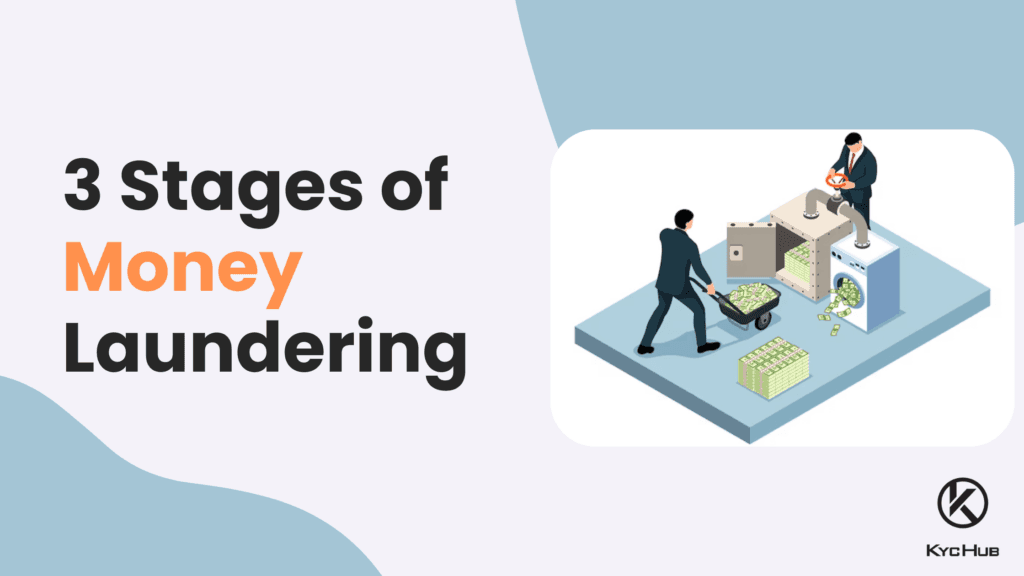
Money laundering is a sophisticated process that disguises the origins of illicitly obtained funds, making them appear legitimate assets. This process typically unfolds in three steps: placement, layering, and integration. Each step plays a pivotal role in the successful execution of a money laundering scheme. Therefore, our focus in this article will be to delve into the intricacies of the stages of money laundering, providing a detailed exploration to aid in risk mitigation efforts.

Placement is the initial stage of money laundering, introducing illicit funds into the financial system. The placement stage is the riskiest part of money laundering, where illicit cash enters the financial system, often through banks, casinos, or real estate. The United Nations supposes that up to $2 trillion is laundered internationally each year, with placement being the key first step in validating dirty money.

What is Placement in Money Laundering?

Placement is the first stage in money laundering, where illicit funds are introduced into the financial system to make it harder to trace. This money laundering stage is fraught with risk for money launderers, as it involves the direct handling of cash or assets derived from illegal activities. The primary objective is to reduce the conspicuousness of the funds and create a disconnect between them and their illicit sources.

The placement stage marks the initial phase in the conversion of illegal funds into what appears to be legitimate assets. It’s at this stage that those involved in money laundering strive to ‘cleanse’ the ‘dirty money’, making the funds appear less suspicious to banks and regulatory bodies.

The success of the placement stage is crucial for the money launderers, as it paves the way for the layering and integration stages, where the origin of the funds becomes further obscured.

Common Methods Used in the Placement Stage

1: Cash Deposits:

In the context of placement in money laundering, cash deposits are among the most common methods. This involves depositing large amounts of cash into a bank or financial institution. However, given the stringent regulations and monitoring systems in place, money launderers often resort to more sophisticated methods to avoid detection.

2: Purchase of Assets:

The purchase of assets is another method commonly employed during the placement stage. Illicit funds are used to acquire high-value items such as real estate, artwork, or jewelry. These assets can be sold later, and the proceeds appear legitimate, effectively laundering the money.

3: Structuring:

Structuring is a more complex method that involves breaking down large amounts of cash into smaller, less suspicious transactions. These transactions are designed to evade the reporting thresholds set by financial institutions, making the funds less likely to attract attention from compliance officers.

4: Trade-Based Laundering:

Trade-based laundering involves manipulating the price, quantity, or quality of a trade transaction to move money across borders. Often, money launderers combine this method with other techniques to further conceal the source of illicit funds. By over- or under-invoicing goods and services, money launderers can move significant amounts of money while making the transactions appear as legitimate trade activities.

Each presents challenges for financial institutions and regulatory bodies aiming to detect and prevent money laundering. A thorough understanding of these methods is the first step toward effective anti-money laundering strategies.

What is Trade-Based Money Laundering?

Examples of Placement in Money Laundering

Examining real-world examples of placement in money laundering provides invaluable insights into the practical application of the methods discussed. These case studies highlight the ingenuity of money launderers and underscore the importance of vigilance and robust detection systems.

For instance, the infamous case of the Zhenli Ye Gon money laundering operation involved using cash deposits, where a criminal enterprise deposited small amounts of cash into various accounts, effectively ‘smurfing’ the funds. The launderers then made numerous small withdrawals, successfully integrating the funds into the economy as legitimate income.

Some examples of placement in money laundering are

  • Betting and gambling on sports
  • Blending illicit cash with legitimate business takings
  • Using false invoicing
  • Casino Chip Purchases
  • Cash Deposits in Banks
  • Prepaid Cards or Gift Cards
  • Physically moving small amounts of cash abroad and lodging it in foreign bank accounts

In another instance, a money laundering operation used the purchase of assets to launder illicit funds. High-value art pieces were bought using illegal money, stored for a period, and then sold off, with the proceeds appearing as legitimate earnings from art trading. The case of Brazilian tycoon Edemar Cid Ferreira is a prime example of this method.

Trade-based laundering was central to a case where a global corporation manipulated invoices to move money across borders. By over-invoicing exports and under-invoicing imports, the corporation could launder substantial amounts of money while appearing to conduct legitimate business. The Zhenli Ye Gon case also involved elements of trade-based laundering.

The Role of Financial Institutions in Detecting Placement in Money Laundering

Financial institutions play a pivotal role in detecting and preventing placement in money laundering. At KYC Hub, we emphasize the importance of Know Your Customer (KYC) procedures. These procedures involve verifying the identity of clients and assessing potential risks of illegal intentions toward the business relationship. The Financial Action Task Force (FATF) provides comprehensive guidelines for implementing effective KYC procedures.

Transaction monitoring systems are another crucial tool in the fight against money laundering. These systems track and analyze transactions to identify patterns indicating money laundering activities. Unusual transaction patterns, such as frequent large cash deposits, can trigger alerts for further investigation.

tackle trade based money laundering

Employee training and awareness are also vital. Financial institutions can add a crucial layer of defense against these illicit activities by equipping employees with the knowledge to identify warning signs of money laundering. The Association of Certified Anti-Money Laundering Specialists (ACAMS) offers resources and training programs

1: Regulatory Requirements and Compliance

Compliance with regulatory requirements is not just a legal obligation for financial institutions but a critical component of their defense against money laundering. Regulations mandate detecting and reporting suspicious activities, with severe penalties for non-compliance.

A robust Anti-Money Laundering (AML) program is essential for compliance. Such a program includes establishing internal policies, procedures, and controls; the designation of a compliance officer; ongoing employee training; and independent audit functions. The Bank Secrecy Act (BSA) in the United States provides a framework for AML compliance.

2: Technological Advances in Detecting Placement

Technology plays an increasingly significant role in detecting placement activities. Artificial intelligence and machine learning are being leveraged to enhance transaction monitoring systems, enabling the detection of complex patterns and subtle anomalies that might indicate money laundering.

KYC Hub is at the forefront of harnessing technology to combat money laundering. Our advanced solutions leverage machine learning algorithms to analyze vast amounts of data, identify patterns, and flag suspicious activities, providing a powerful tool in the fight against money laundering. The Financial Crimes Enforcement Network (FinCEN) has recognized the potential of these technologies in enhancing AML efforts.

Transaction Monitoring Software

3: Challenges in Detecting and Preventing Placement

Despite technological advancements and regulatory measures, detecting and preventing placement in money laundering remains challenging. The ingenuity of money launderers, the volume of financial transactions, and the complexity of global financial systems all contribute to the difficulty in detecting money laundering.

However, financial institutions can significantly enhance their ability to detect and prevent money laundering by understanding the methods used in the placement stage, leveraging technology, and maintaining robust compliance procedures. The United Nations Office on Drugs and Crime (UNODC) provides resources and guidelines to help institutions overcome these challenges.

KYC Hub's AML Screening and Monitoring Solution

Conclusion

At KYC Hub, we’re dedicated to combating the issue of placement in money laundering. We leverage cutting-edge workflow automation and customize dynamic compliance workflows, enabling us to assist financial institutions more effectively.

Our innovative solutions, built on deep compliance expertise, are tailored to meet your specific needs, ensuring robust defenses against money laundering. By automating the compliance workflows, we offer both efficiency and accuracy, raising the bar in anti-illicit financing activities.

Keen to learn more? Discover how our services can strengthen your financial institution’s defenses against illicit financial activities. Contact us today for more information or to schedule a demo of our dynamic compliance workflows. Let’s join forces to make a safer financial landscape.

[ FREQUENTLY ASKED QUESTIONS ]

Any questions? We got you.

What is the placement activity of money laundering?

Placement activity of money laundering is the introduction of illegal money into the financial system.

What are placement strategies money laundering?

Common money laundering placement strategies are Purchase of assets, Cash deposits, structuring, and Trade-Based Laundering.

What is placement vs layering vs integration?

Placement is the entry of illicit funds into the financial system; layering is creating a complex network of transactions to disguise the source and ownership of funds; and integration is where ‘cleaned’ money is reintroduced into the legitimate economy.

What is an example of placement in AML?

Depositing small amounts of illegal money into multiple bank accounts to avoid detection and integration into the financial system is an example of AML placement.

What are the 3 stages of money laundering?

The 3 stages of money laundering are placement, layering, and integration.

What are the common methods used during the placement stage in money laundering?

The common methods include cash deposits, purchase of assets, smurfing, structuring of funds into smaller transactions, and trade-based laundering.

What is the role of financial institutions in detecting the placement stage in money laundering?

Financial institutions play a pivotal role by using transaction monitoring systems, implementing robust KYC procedures, training employees to identify suspicious activities, and maintaining compliance with regulations.

How can technological advancements aid in detecting the placement stage in money laundering?

Technological advancements, such as artificial intelligence and machine learning, can help to analyze large amounts of data, identify complex patterns and flag suspicious activities.

What are some examples of real-world cases of placement in money laundering?

Some examples include the Zhenli Ye Gon operation, which involved 'smurfing' and trade-based laundering, and the case of Brazilian tycoon Edemar Cid Ferreira, which involved the purchase of high-value assets to launder funds.

How does trade-based laundering work during the placement stage in money laundering?

Trade-based laundering involves manipulating the price, quantity, or quality of a trade transaction to move money across borders. By over or under-invoicing goods and services, launderers can move significant amounts of money while making the transactions appear as legitimate trade activities.

How does KYC Hub help financial institutions combat money laundering, particularly at the placement stage?

KYC Hub provides advanced solutions that leverage machine learning to analyze vast amounts of data and flag suspicious activities. In addition, we offer workflow automation and customize dynamic compliance workflows, enabling effective assistance to financial institutions.

What are some of the challenges in detecting and preventing the placement stage in money laundering?

Challenges include the ingenuity of money launderers, the volume of financial transactions, and the complexity of global financial systems. However, these can be overcome by understanding the methods used in the placement stage, leveraging technology, and maintaining robust compliance procedures.

What regulatory requirements and compliance measures are important for financial institutions in combating money laundering at the placement stage?

Compliance with regulations such as the Bank Secrecy Act in the U.S., maintaining a robust Anti-Money Laundering (AML) program, and complying with the guidelines from the Financial Action Task Force (FATF) are all critical in combating money laundering.

[ KYC HUB ]

Screen and monitor for financial crime in real time

Sanctions, PEP and adverse-media screening with ongoing transaction monitoring and case management.

Explore the AML screening & monitoringBook a demo
[ RELATED READING ]
Money Laundering in Forex Trading
[ Money Laundering ]

Money Laundering in Forex Trading

Money laundering in forex trading exploits market vulnerabilities. Learn red flags, AML compliance measures, and how KYC Hub solutions protect brokers.

Dec 2025 · 13 min read
Biggest Gambling Countries in the World
[ Money Laundering ]

Biggest Gambling Countries in the World

Find the biggest gambling countries in the world, global gambling statistics by country, and international gambling expenditure rankings.

Jun 2025 · 6 min read
Hawala Money Laundering
[ Money Laundering ]

Hawala Money Laundering

Learn how hawala money laundering works, its risks, legal issues, and global impact in this quick guide to informal money transfer systems.

Jun 2025 · 8 min read