[ KYC ]
Penny Drop Verification: How It Works for Bank Account Verification in KYC
Penny drop verification confirms that a customer owns the bank account they claim by sending a small deposit and matching the returned account-holder name. Here is how compliance teams use it in KYC and AML onboarding.
Mar 2025 · 5 min read
[ KYB ]
Know Your Vendor (KYV): Third-Party Due Diligence for Compliance Teams
Know Your Vendor (KYV) is the due diligence process compliance teams use to vet suppliers and third parties, verify beneficial ownership, screen for sanctions and adverse media, and monitor vendor risk over the life of the relationship.
Mar 2025 · 6 min read
[ KYC ]
Hong Kong KYC Requirements: A 2026 Compliance Guide for Businesses
What Hong Kong KYC requirements mean for the firms that have to meet them. This guide covers AMLO obligations, CDD steps, beneficial ownership, audits, and penalties.
Mar 2025 · 9 min read
[ Financial Crimes ]
Bank Fraud Examples in India: Top 15 Cases, Types and Prevention (2026)
Explore the top 15 banking frauds in India that shook the financial industry. Learn about key bank fraud cases, their impact, and ways to prevent financial scams.
Mar 2025 · 15 min read
[ KYC ]
What is ReKYC and Why is it Required?
Re-KYC is an ongoing process introduced by the RBI regarding collecting and updating customers' data from time to time.
Mar 2025 · 7 min read
[ Compliance Solution ]
Top AML Trends in 2026: Regulations, Tech, and Compliance Priorities
The financial industry is changing, and so are the trends shaping AML. Find out which AML trends matter most in 2026 and how to act on them with KYC Hub.
Feb 2025 · 10 min read
[ Financial Crimes ]
What Are Deepfakes? Detection, Fraud Risks, and Global Laws in 2026
A practical guide to deepfakes for compliance and fraud teams: what they are, how detection works, the fraud risks to financial services, and how laws are evolving worldwide.
Feb 2025 · 12 min read
[ Compliance Workflows ]
Compliance Workflow Software: How It Works and How to Choose
Compliance workflow software automates the manual steps in KYC, AML and case management. Here is how it works, what to look for, and how to choose a platform.
Feb 2025 · 11 min read
[ Compliance Solution ]
AMLA Malaysia: The Anti-Money Laundering Act and Compliance Guide for 2026
A practitioner's guide to AMLA Malaysia: the obligations it places on reporting institutions, the bodies that enforce it, and what changed after the 2025 FATF review.
Feb 2025 · 10 min read
[ Compliance Solution ]
What are the AML Regulations in the UK?
Explore UK AML regulations, key compliance requirements, and how businesses can prevent money laundering with effective risk management strategies.
Feb 2025 · 10 min read
[ Risk-Based Approach ]
Risk Category in Banking: How Customer Risk Assessment Works
A customer's risk category in banking decides how closely the bank watches them. Here is how the low, medium, and high tiers work, what drives each, and the steps behind the score.
Feb 2025 · 11 min read
[ KYC ]
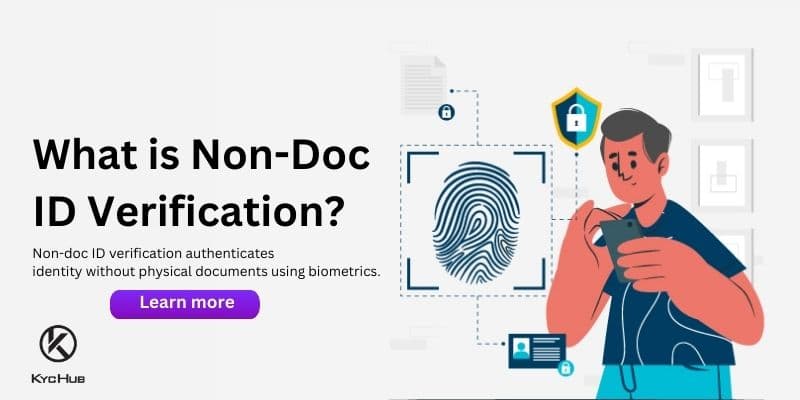
Non-Documentary Identity Verification: How It Works and When Regulated Firms Use It
A B2B guide to non-documentary identity verification: what it is, how it differs from documentary methods, the data sources it relies on, and how it fits US CIP and AML obligations.
Feb 2025 · 5 min read